

In the wake of the completion of the long-awaited Skywalker saga, Disney+ rendered forth unto the world the massively successful series, The Mandalorian. A cowboy story of galactic proportions, the story aimed to color in the famed mythology that sprung to wildfire success easily with the legendary character Boba Fett all the way back in the early ’80s. The show explained that the sometimes-bounty hunters the Mandalorians were a people bereft of their home world after the Empire decimated it in attacks following their conquering of the galaxy. Those that survived, lived in exile or in hiding to preserve their culture. Some, like the title character (who sometimes goes by his given name Din Djarin) do work as bounty hunters. A wild series of events led the character to a young child of the same species as venerable jedi master Yoda that was introduced all the way back in The Empire Strikes Back in 1980.
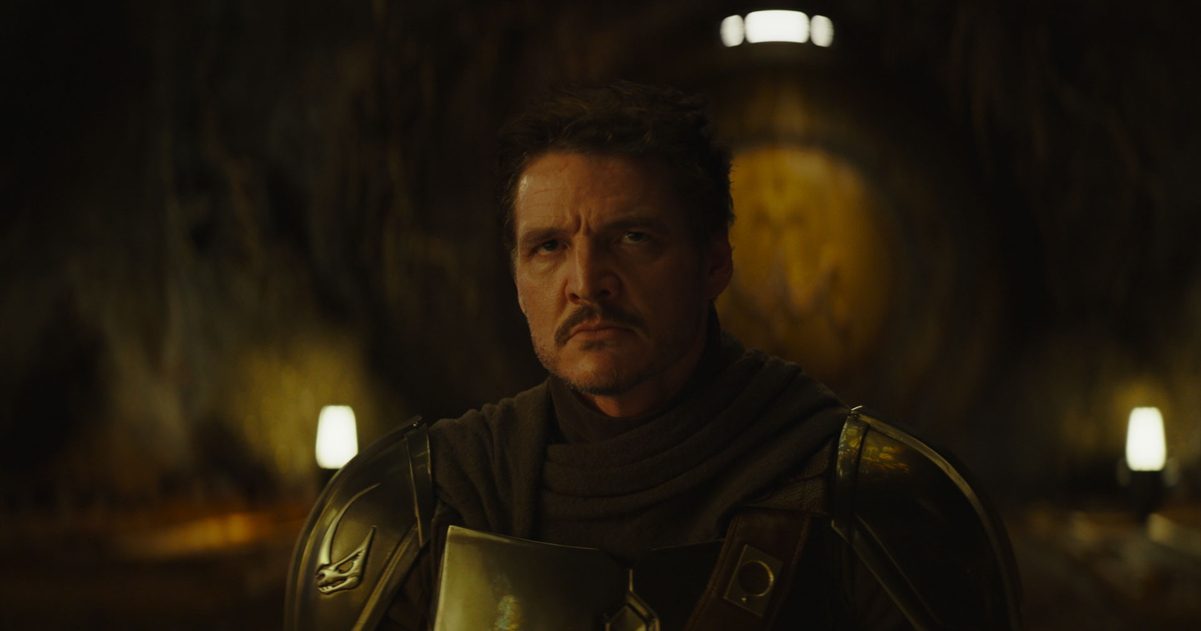
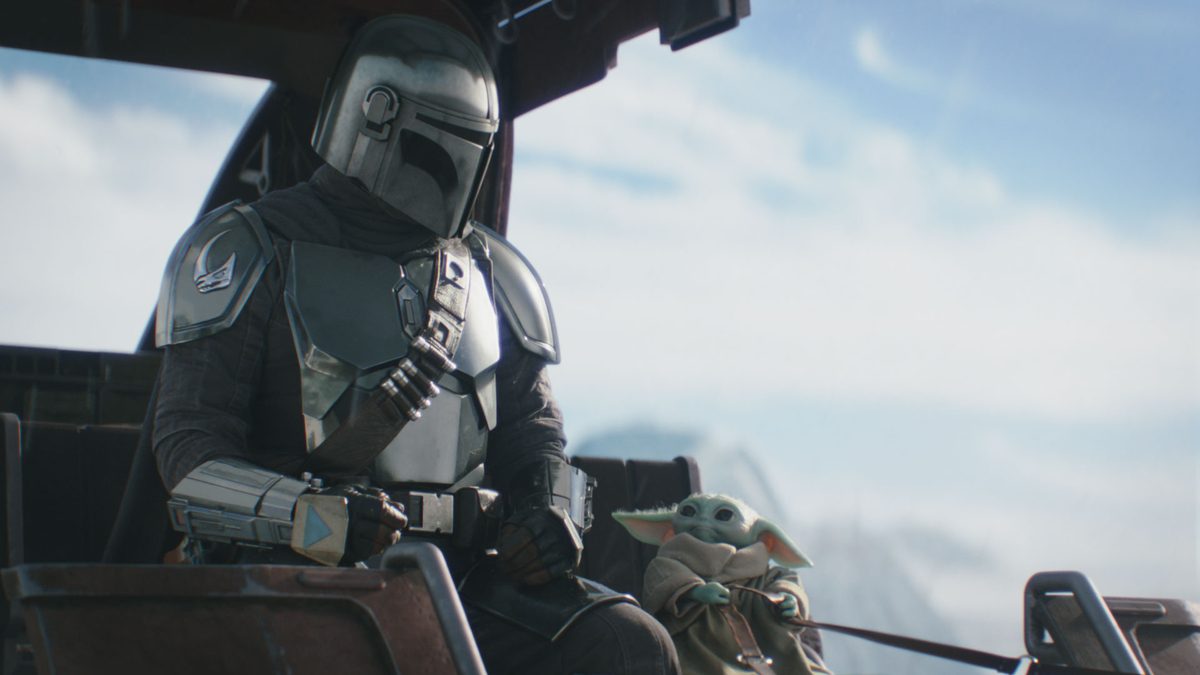
Little by little, they form a father-son bond, and the story pivots to Djarin’s relentless efforts to keep the child—who we eventually learn is named Grogu—safe from nefarious agents that wish to experiment on him, keep him a pet or worse. The three seasons were bold swashbuckling adventures that typed deeply into the semiotics of family, territory, community and societal unity. The series became a wildfire hit on the back of Pedro Pascal’s mostly voice acting performance of Din Djarin and the adorable puppetry of his ward, Grogu. It’s pretty much impossible to see the “Baby Yoda” character and not instantly find him to be cute. But while this dynamic duo ran through one seemingly possible challenge after another, the hinted at themes made for a story that was soulfully stirring. Star Wars and its mythology has not generally been thought of as a bastion of meaning for our real world (outside of fandom in Kevin Smith movies) but The Mandalorian excelled at sneaking up on the viewer and pulling expertly on heartwarming strings that made the whole experience feel more profound. Season 3 ended a massive story where The Mandalorians as a whole reunited to reclaim their home world Mandalore. Try and watch the final seconds of that season and not start to feel your face well up with tears at the thought of a happy child, nature and a beautiful private estate away from the chaos of the cosmos.
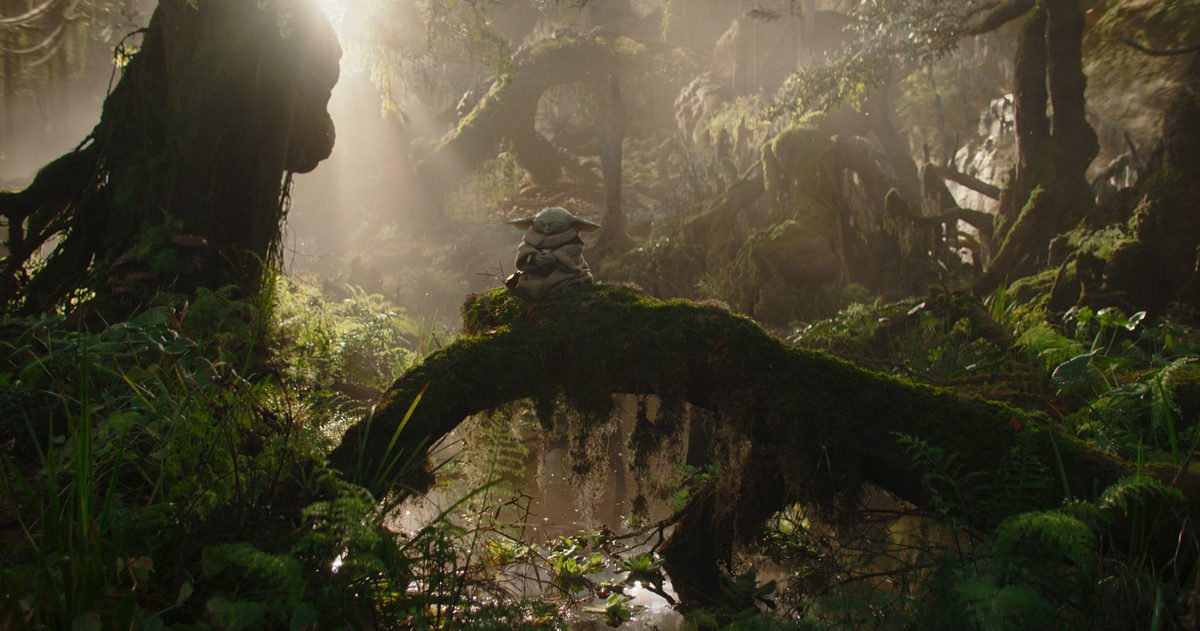
We now have the duo’s first-ever full-length feature film in the way of the aptly named, The Mandalorian and Grogu. Directed by Jon Favreau and written by Favreau, modern Star Wars co-impresario Dave Filoni and Noah Kloor, the story picks up from where the show leaves off, Djarin and Grogu freelancing in their spare time tracking down Imperial remnants. But it does so, leaving the grandiose politics and world building largely behind. Where the series pulled lightly on your heart strings, this film aims for Indiana Jones-level adventure pacing, stacking a series of climactic challenges largely end-to-end. It eschews the ingrained meaning for a true physical test of the two characters’ capabilities and love for each other. The marketing which seemed a bit tonally odd, makes perfect sense when you see what the film actually feels like. Favreau expertly paces a series of mounting challenges that first The Mandalorian himself and later Grogu have to use cunning and instinct to prevail against. Therein the film’s title reveals itself as being supremely apropos as both characters have a section that connects to their respective skillsets and stature. Its comparable to some of the most brilliant sections of the Ratchet and Clank video game franchise, where Clank, Ratchet’s robotic friend and backpack/helicopter would sometimes have solo missions on a smaller scale than the running/gunning combat. Grogu is here not relegated to merely being a helpless infant and has a whole section of the film where he has to plot, survive and find a way to prevail.
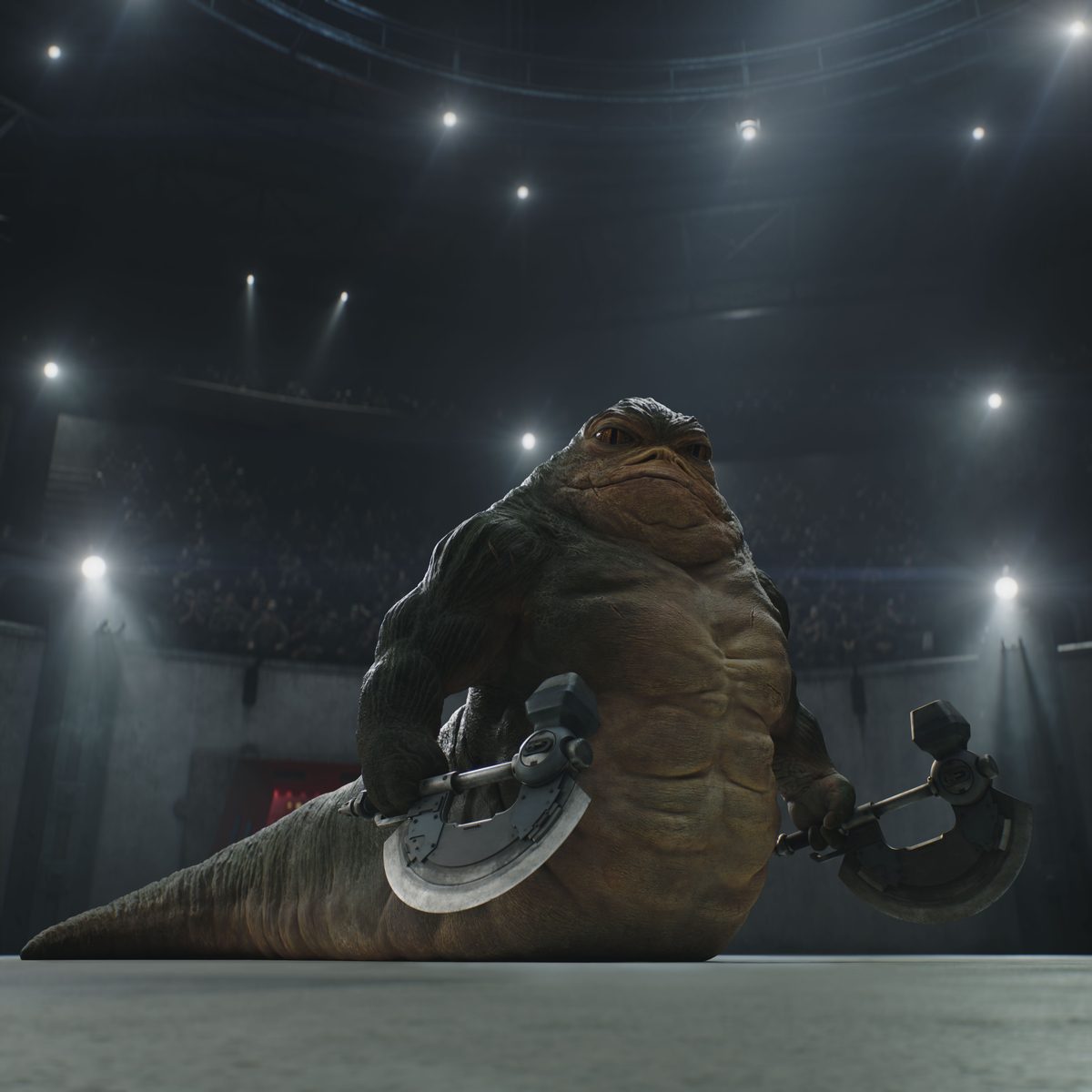
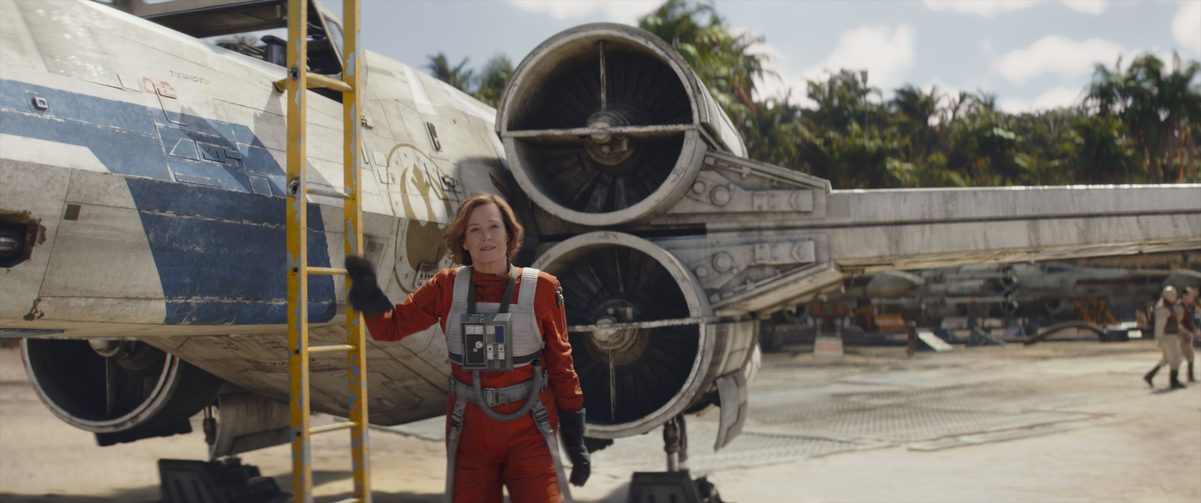
The story does not truly advance the larger narrative concluded at the end of season 3 of the show, save for how Djarin is working for the New Republic, tracking down Imperial remnants. A new character, Colonel Ward played by Sigourney Weaver, gives Mando a new assignment to rescue a Hutt from imprisonment far away as a trade with “The Twins” (diehard fans of Star Wars will remember they were introduced in the massively under-appreciated The Book of Boba Fett). This takes the viewer to the home planet of the Hutts, Nal Hutta, for the first time in live action. Their target Rotta the Hutt has apparently been forced to fight as a gladiator in a public fighting pit. The crime syndicate leader The Twins are offering information on a much-desired Imperial leader in exchange for Rotta’s return. The Bear breakout star Jeremy Allen White provides the voice for Rotta, and somehow the slimy, worm-like species ends up seeming somewhat hunky in the wake of White’s performance and the character’s design treatment.
From there, it’s all action and investigation all the way to the film’s conclusion. There’s much that is best experienced firsthand, as the story is plotted with numerous surprises and showdowns in line with how the Rancor monster landed when viewers first saw it in Return of the Jedi in 1983. The escalation of these challenges, be it a complexity of technological limitations, old school monster battles or close quarters combat is where the thrill is in The Mandalorian and Grogu. While there is no lack of action in the movie, there’s a more personal level of stakes here that cements Din Djarin’s soldier-of-fortune level abilities. Also super noteworthy in the execution of this film as there are several luminous moments when the action pauses just long enough to allow for a specifically staged moment to breathe perfectly in the frame. These few moments are unforgettable and loom large on the big screen as transcendent cinematic punctums. Diehard fans of the in-between movies fiction and The Clone Wars animated series will be happy to find numerous easter eggs and in-character references. This film is a big nod to that deeper lore that big fans of the mythology will appreciate, with little mention of the Skywalker Saga pop culture has known intimately.
4 out of 5 Stars
There are larger questions we may never know the answer of regarding The Mandalorian and Grogu, namely why this was done as a feature film as opposed to a fourth season of the highly successful show. But the end product is an entertaining adventure story, aiming for the best of popcorn cinema that was commonplace in the late ’80s / early ’90s. Hopefully, the episodic adventures of the duo continue as this feels like just a small slice of their ever-expanding story.