
 Mikaela Lewis August 22nd, 2025 - 11:30 AM
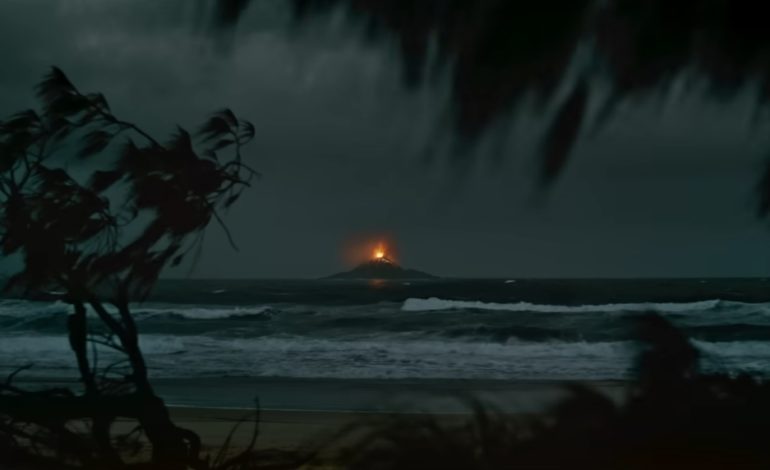
Eden is based on the fascinating true story of conflict and resilience. The film’s script was built using contradicting accounts published by two women who lived on the island of Floreana. Writer Noah Pink captured the three storylines of settlers living on the otherwise uninhabited island. The viewer’s are introduced to the first settlers, the Ritters, then the Wittmer family, and finally a Baroness accompanied by her lovers. As they interact, their stories coincide wonderfully, and alliances are never as they seem. Any time a character feels a sense of comfort, they learn they’re actually on the bottom of the food chain.
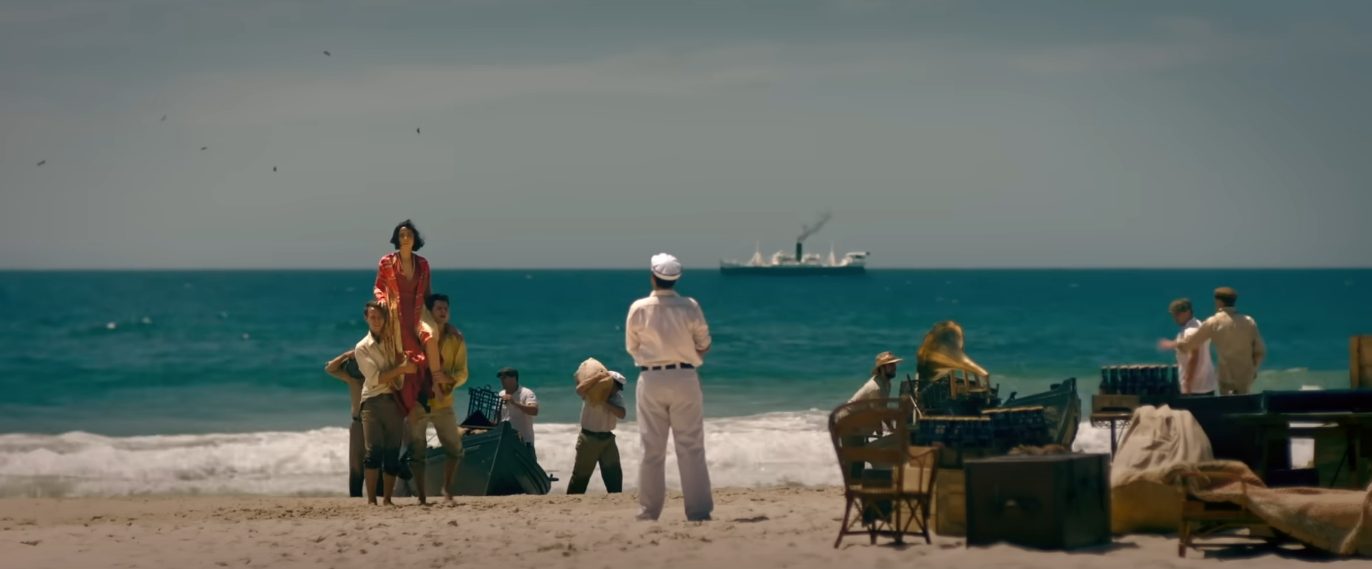
Set from 1929-1934, the settlers come for different reasons: to escape fascism and save humanity, to heal illnesses that the family otherwise cannot afford due to the economic fallout from WWI, and to build a hotel to drive revenue. Original goals soon become obsolete as each settler grows paranoid of the others, even turning on those within their own factions.
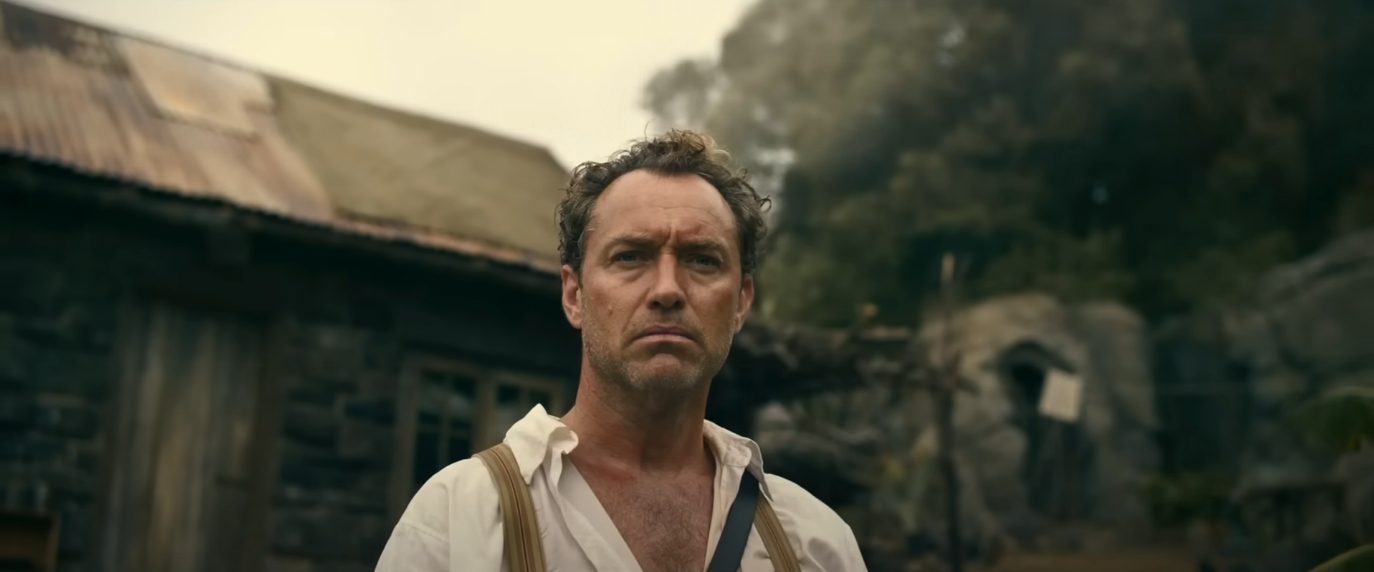
“Democracy, Fascism, Death” was Dr. Ritter’s (Jude Law) motto, as he vowed to write philosophy to break this cycle and save humanity from itself. Ironically, he was hostile to others from the start, cracking the foundation of what potentially could have been a peaceful colony. Given the political climate of 2025 and the film being set during the era of Nazi Germany rising to power, director Ron Howard could have done more to draw relevant parallels to modern issues.
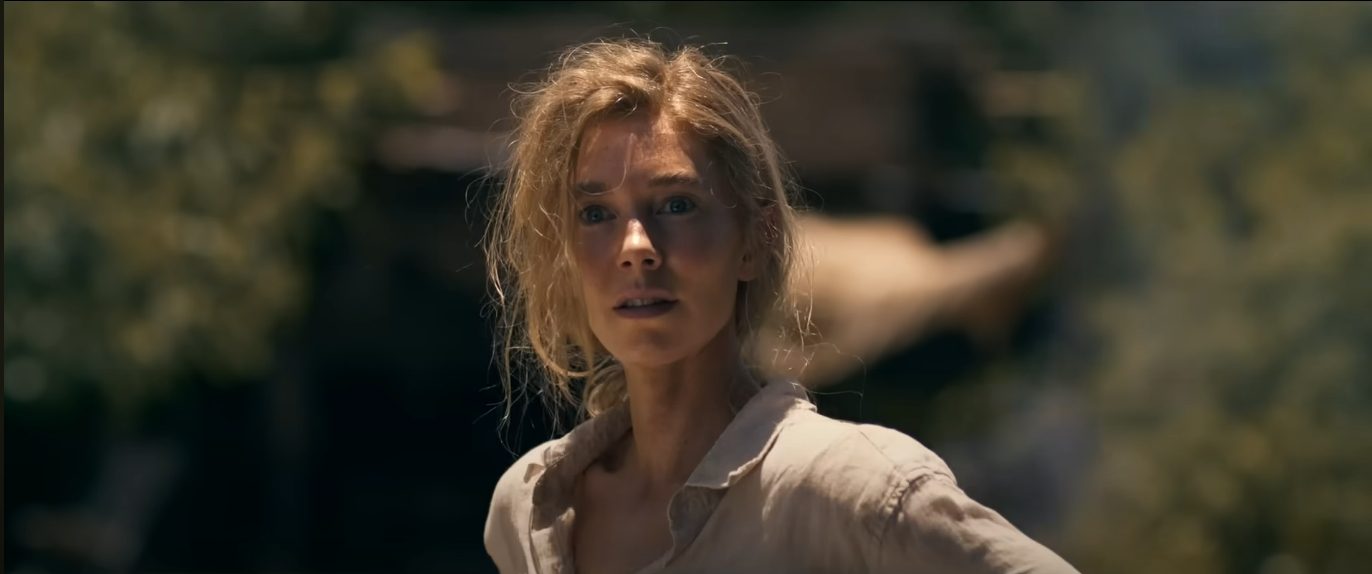
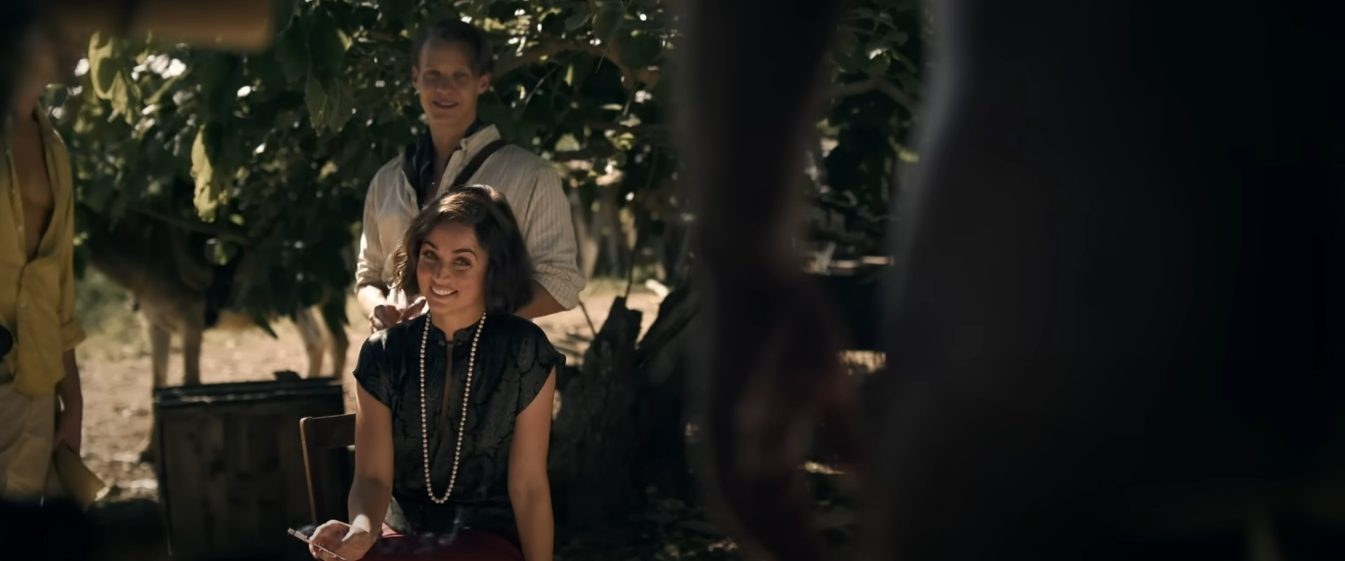
Casting was mostly on the nose, as Ana de Armas’ depiction of Baroness Eloise Bosquet de Wagner Wehrhorn was entertaining, albeit drawn out at times. Wehrhorn’s opulence could’ve been shown with half as many scenes. On the other hand, Vanessa Kirby (Dore Strauch) should have been utilized more, as her limited time on screen hurt her character arc and ultimately, the plot suffered. Sydney Sweeney’s performance as Margret Wittmer had convincing moments, such as the genuine fear of giving birth alone. Unfortunately, Sweeney’s botched German accent was distracting, but she does redeem Margret in the final scenes. Daniel Brühl’s portrayal of Heinz Wittmer emerged as the star, leaving the audience sympathetic for his dilemma in navigating alliances to best protect his family.
The cinematography was absolutely gorgeous and engaging. Shots of the setting paired with those of characters interacting continuously reminded the viewer of how deadly the island was — and not just because of nature. Special effects were also another strong point of this film, with scenes of gore so realistic you might find yourself covering your eyes.
As the film concluded, beliefs were lost as controversy stole attention from the causes that initially brought each group to Floreana. Perhaps a driving message in this film is that the women were always in control. Or even in the most beautiful natural environments, humanity will show its ugly side.
4/5 Stars.
Eden is 129 minutes of psychological warfare, growing more thrilling throughout. Each transfer of power brings a unique twist. If you can stomach the gruesome scenes, Eden might just be for you. Betrayal and violence, ultimately leading to death, bring a whole new meaning to “survival of the fittest” in the Galapagos.
