
 Michael Samuel November 10th, 2025 - 2:24 PM
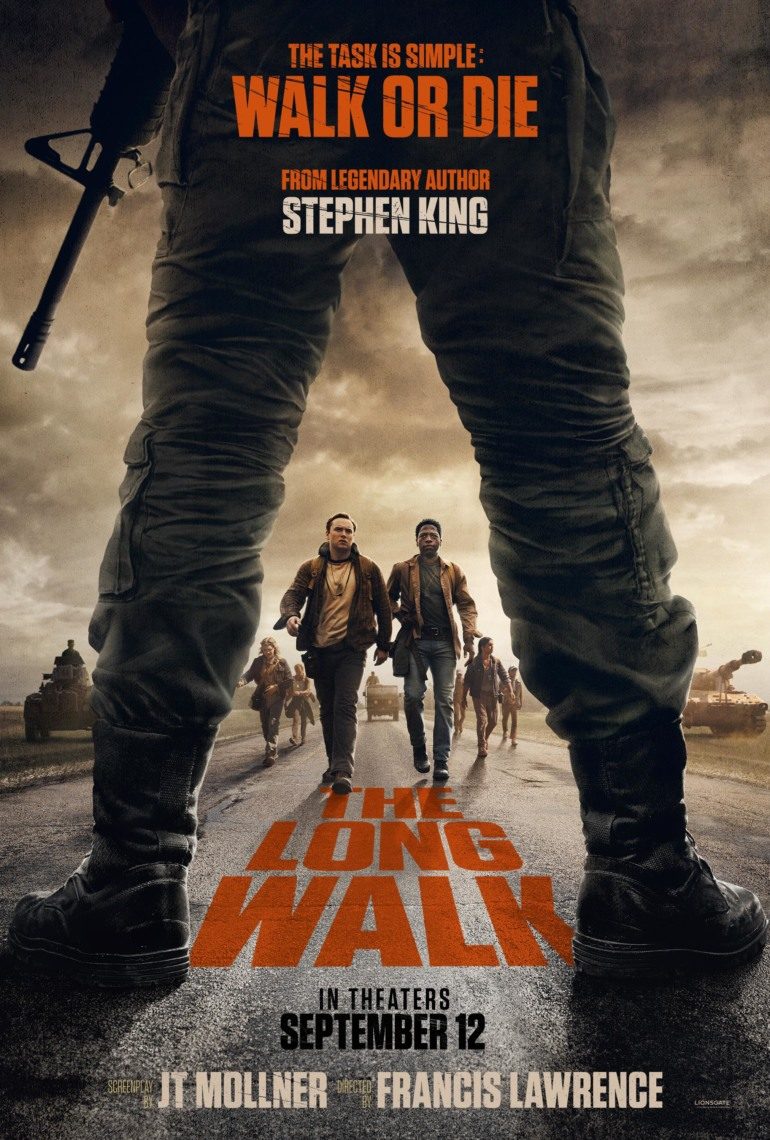
2025’s The Long Walk, which just recently released on digital platforms, is another phenomenal film in a stacked year of Stephen King adaptations. Based on the 1979 novel of the same name published under the pseudonym Richard Bachman, this King-adapted film brings forth a compelling dystopian world that harkens to the mid-2010s craze of Young Adult dystopia, phenomenal performances by lead actors Cooper Hoffman and David Jonsson, as well as heart-wrenching horror formed by the tension of the situation the cast finds themselves in.
The World
While the film doesn’t put major focus on the world we find ourselves in, we do get inklings of world building through the main antagonist: the Major, played by the always wonderful Mark Hamill. Set in a dystopian America devastated by a nameless war, every year a young teen boy is picked from each state to compete in the Long Walk, a contest of 50 boys with only one winner: whoever can walk the longest without stopping. The boy who wins receives a cash prize and one elusive wish, granting them whatever they want so long as it doesn’t involve the Long Walk itself.
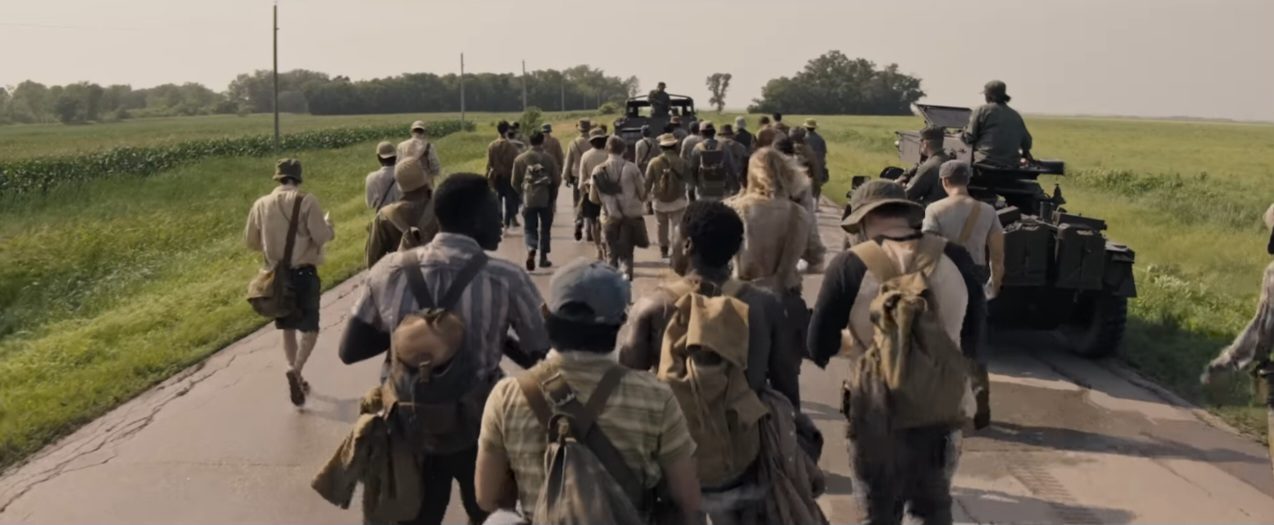
Just like the many dystopian tournaments seen since the novel’s original publication, such as Squid Game or the Hunger Games, there are a few rules involved to set the stage. The boys must keep a pace of at least 3 miles per hour (a change from the original novel, where it was 4 miles per hour). If they go below 3 miles per hour, they receive a warning. If they receive 3 warnings, then they get their ticket, which they can also receive immediately if they step off the road. With only one winner possible and the event being televised every year, the boys are all well aware of the true meaning behind “getting their ticket” – further emphasized by the tanks and gun-wielding soldiers escorting them during the walk.
The Cast and Crew
With such a simple concept to follow, a vast majority of the film focuses on the boys simply walking for several days (and nights) straight, requiring powerful performances from the entire cast. Thankfully, they pull it off, with especially exceptional performances from actors David Jonsson as #23 Peter “Pete” McVries and Cooper Hoffman, son of acclaimed actor Philip Seymour Hoffman, as #47 Raymond “Ray” Garraty. The pair form a heartfelt brotherly bond throughout the walk, discussing their lives, the world they live in, and what they would do if they won. Alongside them to form a ragtag group calling themselves the Four Musketeers includes Tut Nyuot as #6 Arthur “Art” Baker, a religious boy who wishes to go to the Moon, as well as Ben Wang as #46 Hank Olsen, a comic relief with a heart of gold.
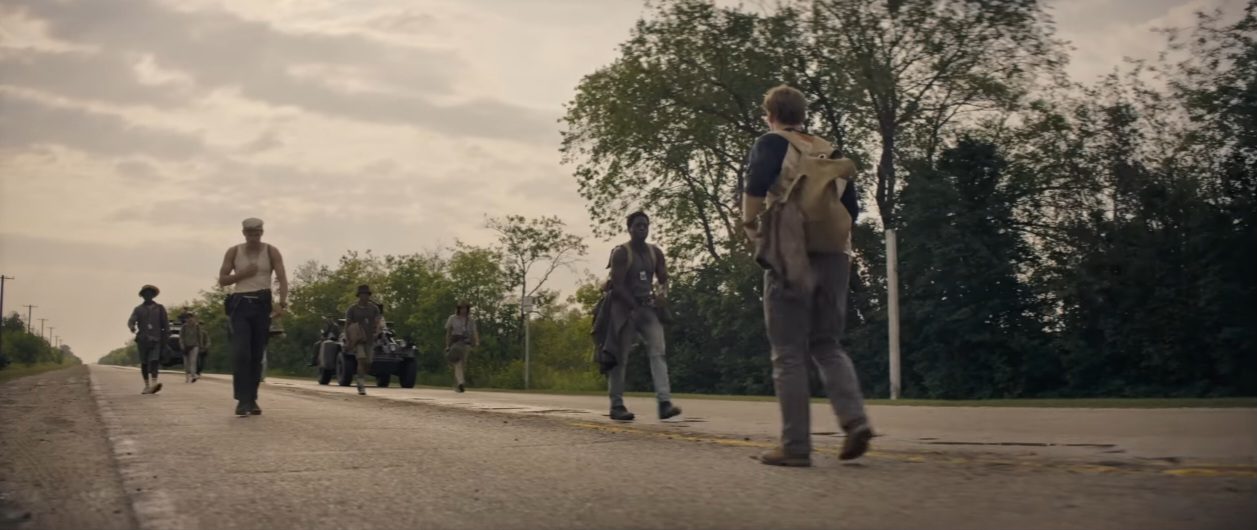
Making up the cast of antagonists in the film includes the previously mentioned Major, a militaristic man with a gruff voice and strange sense of enthusiasm for the brutality of the walk expressed through his constant stream of “encouraging” pep talks. Walking alongside the Four Musketeers includes Garrett Wareing as #38 Billy Stebbins, a fitness nut who knows a suspicious amount of info about the Long Walk, as well as Charlie Plummer as the despicable #5 Gary Barkovitch, who taunts and berates the other boys for almost the entire film.
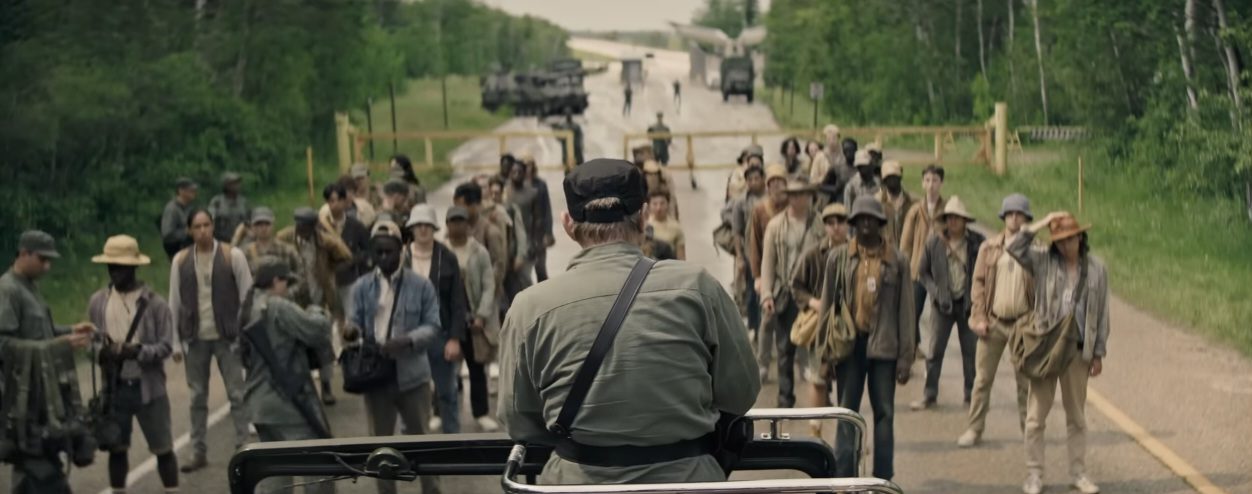
Bringing together the film with a heavy nostalgia to previous dystopian films is Director-Producer Francis Lawrence, known for The Hunger Games sequels as well as 2007’s I am Legend. While not as action-packed as the Hunger Games franchise, the film still features similarly tense situations as the boys encounter obstacles: whether they be steep inclines to climb or dealing with the company of each other. The film was written by JT Mollner, who previously wrote and directed the 2023 film Strange Darling, which shared the almost timeless feel that the setting of The Long Walk had.
Living in the Moment
At the heart of the film, as McVries puts it in an exchange with Ray, is the idea of focusing on individual experiences as moments. Rather than stressing about the danger they find themselves in, McVries suggests they appreciate the smaller things: the friendships formed during the walk, talking about their lives back home, and discussing what they’d do with the prize money and their one sacred wish. The bonds shared between the characters, which manage to form so quickly despite just knowing each other for a few days, is the true highlight of the film, which only makes their deaths that much more impactful. Even those that are antagonistic towards the others, like Stebbins and Barkovitch, share their moments of humanity with the others, albeit in their own unique ways. The strength of these characters’ bonds is most clear in how McVries and Ray interact. Despite having opposite worldviews from each other, with McVries sharing a generally positive worldview despite his troubling upbringing and Ray sharing a more pessimistic worldview despite a somewhat happier upbringing, they still form an incredibly close bond through their journey together that truly brings the film together.
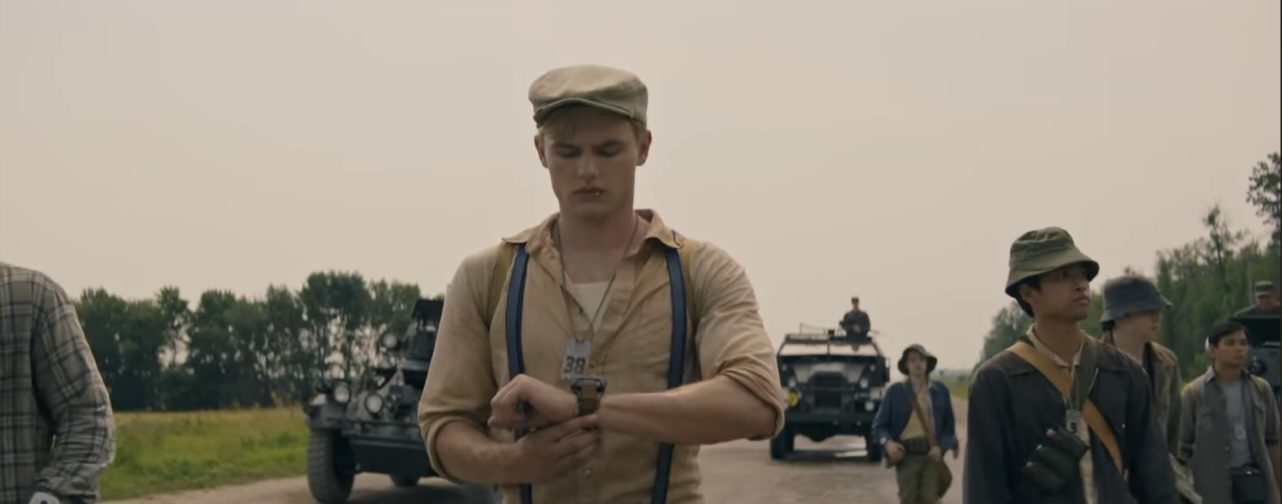
Even though there are many heavy themes the film tackles, such as the danger of authoritarianism through characters like the Major, or the bleakness of concepts like the draft that loomed over both the boys in the story via the walk and King himself, who wrote the original novel during the Vietnam War, Peter McVries’ positive mentality still managed to act like a beacon of sunlight in the darkness of the Long Walk’s hardships. The Four Musketeers try to bring a sense of community to the rest of the fifty boys throughout the whole journey, helping each other stay up to the 3 miles per hour speed limit, at some points even carrying each other to prevent their ends, and encouraging others to keep walking through strains and cramps. The film as a whole offers many grim moments and fates for the characters, as well as a rather ambiguous ending, but I believe the focus is best kept on the goodness of it all: the bonds formed and memories made by living in the moment.
