
 Jamie Barrett July 18th, 2025 - 4:46 PM
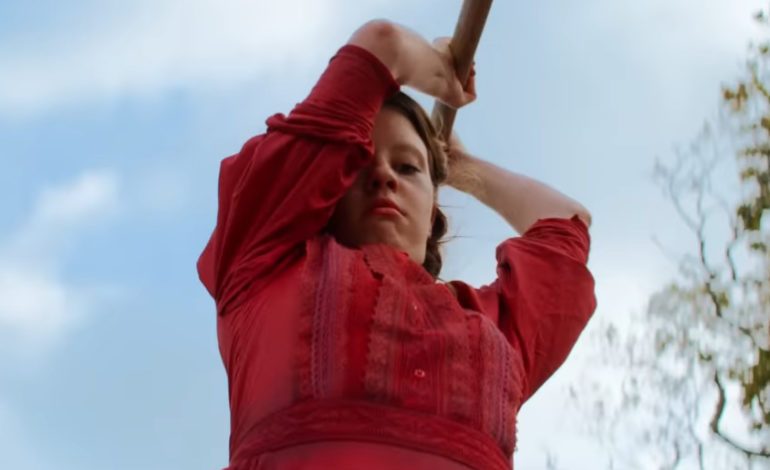
In movies, male anger is practically a genre of its own. From war heroes to vigilantes to the classic guy-who-snaps, male rage is often portrayed as righteous or at least understandable. It fuels entire franchises and drives character arcs where destruction is excused as emotional depth. Meanwhile, women’s anger is often repressed, ridiculed, or framed as madness. When women lash out in film, they’re more likely to be seen as unstable or villainous rather than complex and justified. But a wave of films in the past decade has started to change that narrative.
These stories explore what happens when women are no longer silent, when they’re pushed to the edge and decide to push back. They don’t just include anger as a plot device — they center it. They give voice to a fury that’s deeply human, often righteous, and sometimes terrifying. And in doing so, they challenge the narrow emotional roles women have historically been allowed to play on screen.
Revenge (2017): Blood, Sand, and Survival
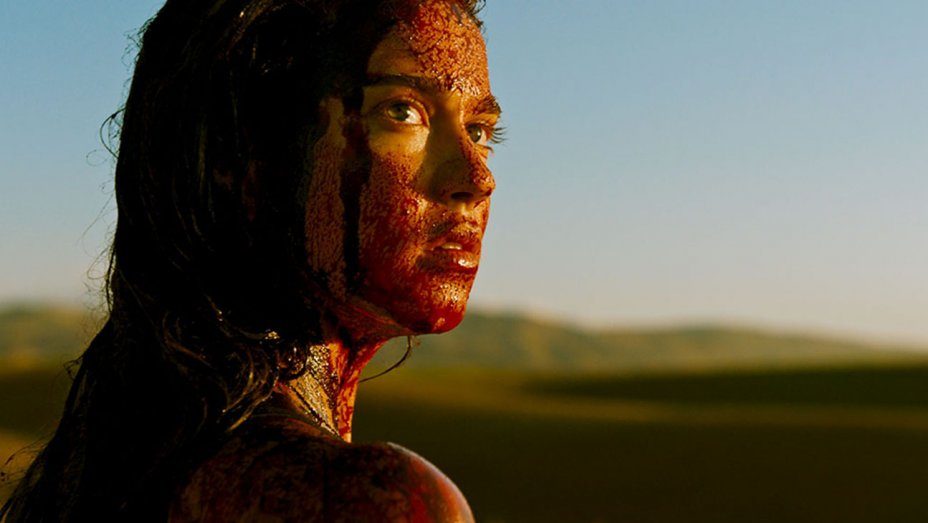
Coralie Fargeat’s Revenge is one of the most visceral portrayals of female rage in modern cinema. At first glance, it seems like a hyper-stylized exploitation film — a beautiful woman in a remote desert setting, a brutal assault, and a blood-soaked quest for vengeance. But Revenge is smarter and angrier than it first appears.
The film follows Jen, played by Matilda Lutz, who is assaulted by one of her boyfriend’s friends and left for dead in the desert. But Jen survives, and what follows is a ferocious, almost mythic transformation. Through graphic violence, raw survival, and haunting visuals, Revenge flips the script on the male-dominated rape-revenge genre. This isn’t about titillation or shock — it’s about reclaiming power. Jen’s rage isn’t just a reaction to violence; it becomes a force of will that drives her transformation from objectified party girl to unstoppable survivor.
What makes Revenge so compelling is how it turns a genre often built on the exploitation of women into a brutal, beautiful reclamation of agency. It’s not subtle, but it’s not supposed to be.
I, Tonya (2017): Rage in the Spotlight
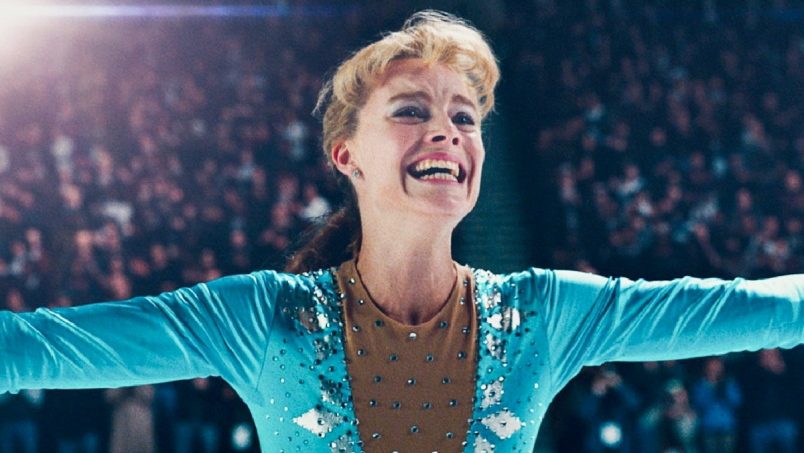
Female rage doesn’t always take the form of physical revenge. Sometimes it simmers beneath a smile, behind a camera flash, or under the weight of a media circus. I, Tonya, directed by Craig Gillespie, offers a darkly comedic but deeply empathetic look at Tonya Harding, the infamous figure skater forever linked to the 1994 attack on her rival Nancy Kerrigan.
What makes this film stand out is how it doesn’t excuse Harding’s flaws but contextualizes them. It portrays her rage as a result of years of abuse — from her mother, from her husband, and from the press. Harding is angry because the world never let her be anything else. Her working-class background, her non-traditional femininity, her refusal to play nice — all of it made her a target.
The film uses mockumentary-style interviews and unreliable narration to show how truth gets twisted, especially when it comes to women in the public eye. Harding’s story becomes a case study in how society responds to female defiance. She’s punished for being angry, but also for simply existing outside the mold.
I, Tonya doesn’t present Harding as a hero, but it does something arguably more radical: it lets her be angry, and it lets that anger be valid.
Lady Macbeth (2016): Quiet Rebellion
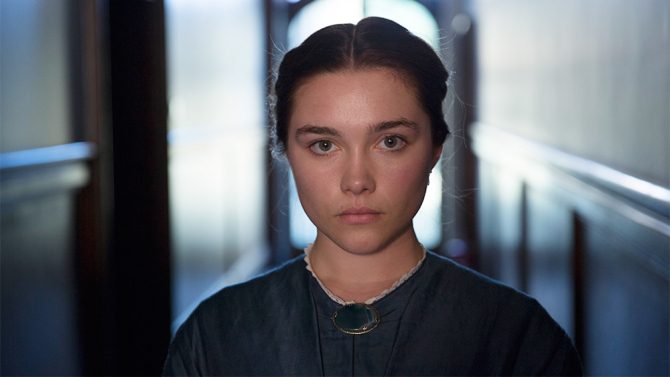
William Oldroyd’s Lady Macbeth is a masterclass in simmering resentment. Set in 19th-century rural England, the film follows Katherine (Florence Pugh in her breakout role), a young woman sold into a cold, loveless marriage. Trapped in a patriarchal nightmare, Katherine begins to assert control in increasingly disturbing ways.
Unlike the Shakespearean character her name evokes, Katherine’s fury isn’t loud or dramatic. It’s slow and deliberate, unfolding through icy stares and carefully calculated actions. As she starts manipulating and murdering her way toward freedom, the film challenges viewers to sit with their discomfort. Is Katherine a feminist antihero or a sociopath? Maybe both.
Lady Macbeth forces us to confront the emotional and psychological consequences of a life lived under complete control. Katherine’s rage is not expressed through big speeches or emotional outbursts. It’s expressed through silence, poison, and fire. And it leaves a trail of bodies in its wake.
Gone Girl (2014): The Perfect Villain — or the Perfect Mirror?

No conversation about female rage on screen is complete without mentioning Gone Girl. David Fincher’s adaptation of Gillian Flynn’s novel is often misunderstood as a misogynistic portrayal of a manipulative woman. But Flynn herself has pushed back on that reading, arguing that Gone Girl is about how society expects women to be likable above all else — and what happens when they weaponize that expectation.
Amy Dunne (Rosamund Pike) is cold, calculating, and, yes, a murderer. But she’s also a woman who has been pushed into playing the “cool girl” role her entire life. Her monologue about this trope is now iconic, and it’s one of the most biting critiques of how women are expected to shape-shift to suit men’s desires.
Amy’s rage is theatrical and cruel, but it’s also pointed. She stages her own disappearance, frames her husband, and watches the media bend over backward to fit her into a digestible narrative. Gone Girl doesn’t ask us to forgive Amy, but it does ask us to understand the system that built her. Her fury is both terrifying and strangely empowering — a performance sharpened into a knife.
Pearl (2022): When Dreams Rot into Delusion
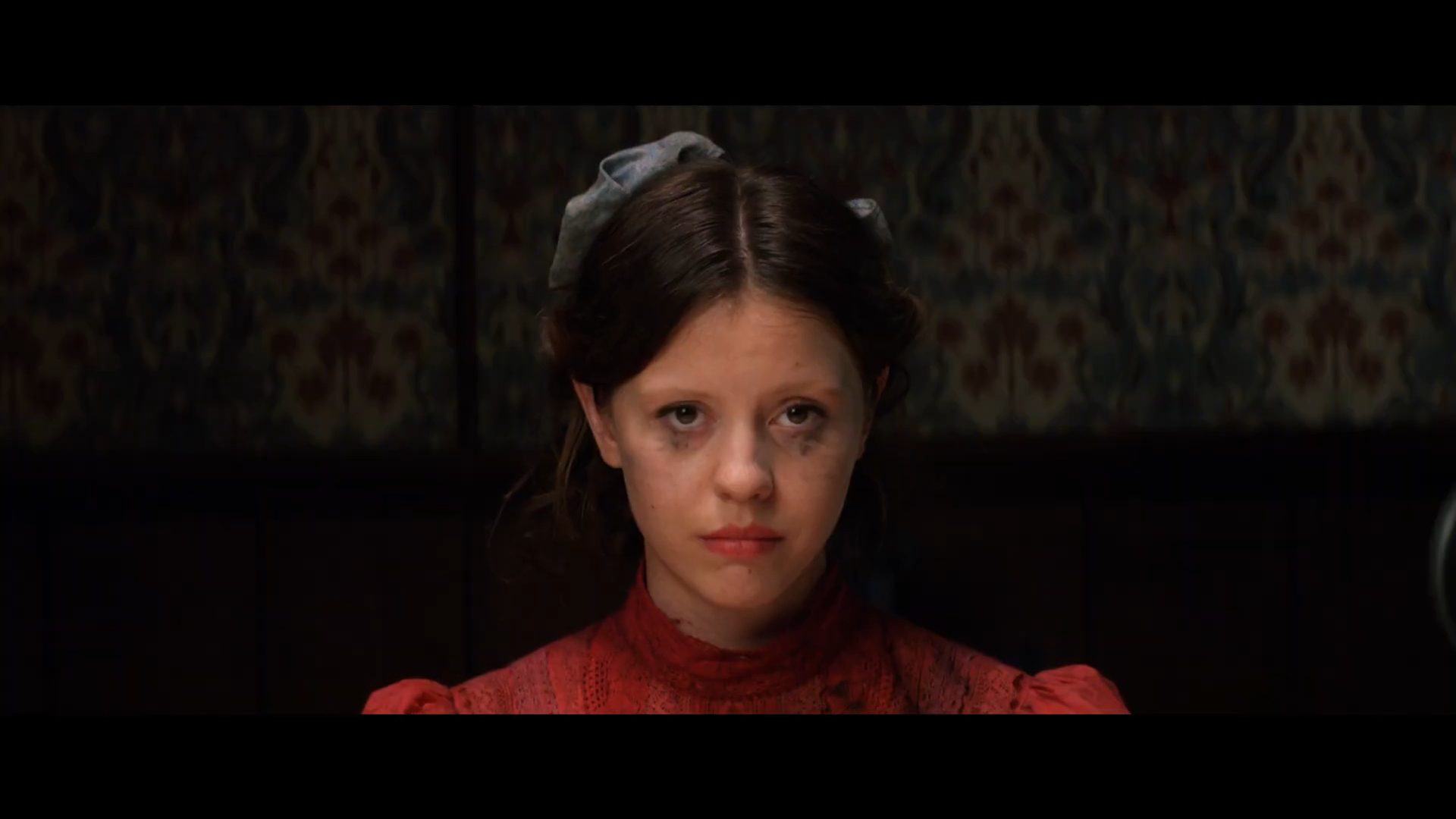
Ti West’s Pearl, a prequel to his horror hit X, is a Technicolor fever dream about repression, ambition, and eventual explosion. Set in 1918, the film follows a young woman (played brilliantly by Mia Goth) who longs for fame and escape from her claustrophobic farm life. But as her dreams are repeatedly denied, her frustration grows into something murderous.
Unlike traditional horror villains, Pearl isn’t a monster from the start. She’s a lonely, vibrant girl who wants to dance in the movies. But the world around her — war, illness, poverty, family duty — crushes those dreams. So when her rage finally erupts, it feels both shocking and inevitable.
Pearl’s final monologue, delivered through a forced smile and streaming tears, is one of the most chilling moments in recent horror. It’s not just a descent into madness — it’s a confession of how badly she wanted more. Pearl’s rage is born from broken dreams and societal suffocation. It’s messy and uncomfortable, but it’s also heartbreakingly real.
Why Female Rage Matters
What all these films have in common is that they refuse to simplify women’s anger. They don’t reduce it to catfights or “crazy ex-girlfriend” clichés. Instead, they treat female rage as a serious emotional and political response to a world that often demands silence, submission, and perfection from women.
These stories explore what happens when that silence is broken. Whether it’s the bloody catharsis of Revenge, the bitter irony of I, Tonya, or the chilling precision of Gone Girl, these films let women be mad — really, truly mad — and they don’t ask for apologies.
They’re not about perfect victims or perfect heroines. They’re about complexity. They force viewers to reckon with the reality that female anger isn’t always polite, pretty, or easy to digest. Sometimes it’s ugly. Sometimes it’s violent. Sometimes it’s the only logical response to being underestimated, abused, or ignored.
And maybe that’s the point.
By centering female rage, these films remind us that anger is not just a male emotion. It belongs to everyone. And when we give it space to be seen, heard, and understood, we open the door to more honest stories — the kind that don’t shy away from the fury simmering just beneath the surface.
