 Amani Sanders April 29th, 2025 - 6:49 AM
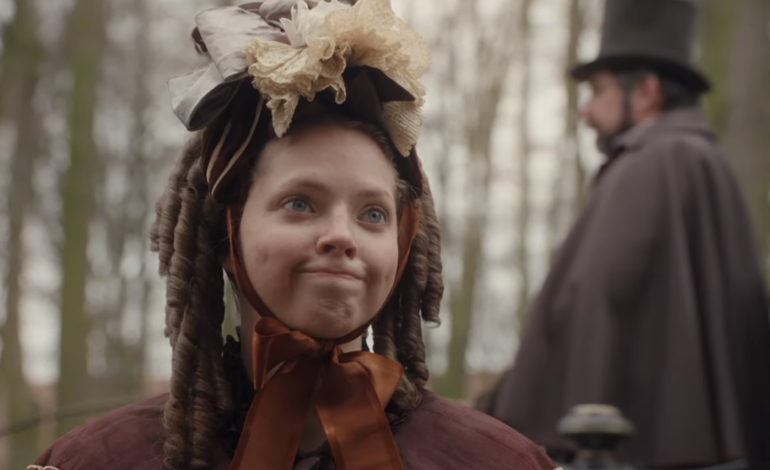
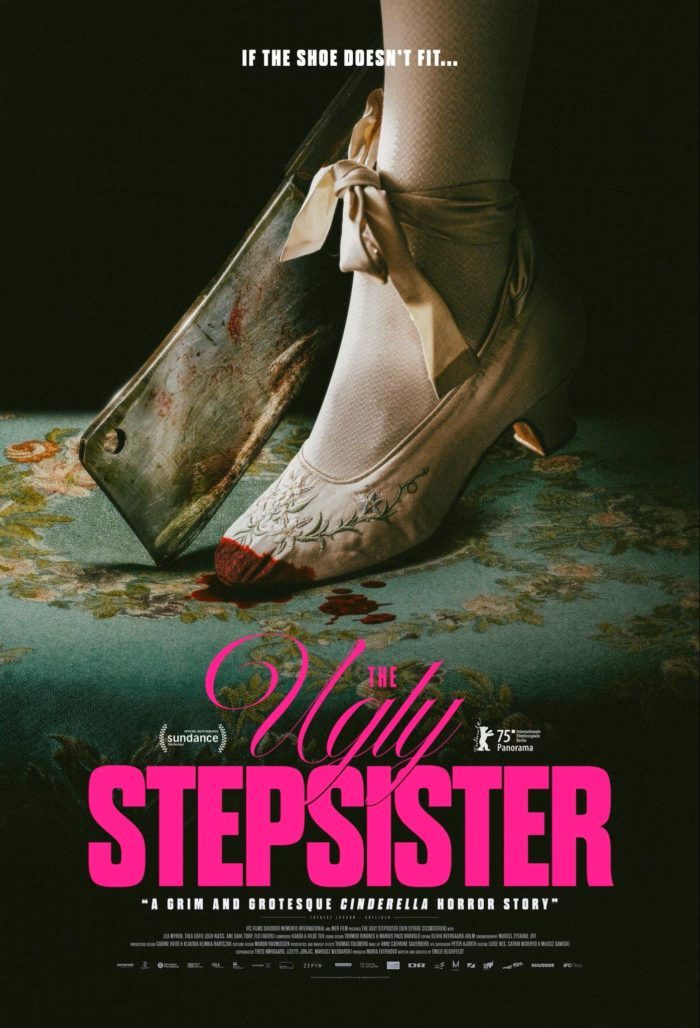
Everyone knows the age-old story of Cinderella, but have you ever thought about her story from another point of view? The Ugly Stepsister, written and directed by Emilie Blichfeldt, seems like just another Cinderella story, but this version is from her stepsister’s point of view. The film follows Elvira (Lea Myren) as she competes with her gorgeous stepsister, Agnes (Thea Sofie Loch Næss), to capture Prince Julian’s (Isac Calmroth) attention at his upcoming ball to win his heart (and maybe more importantly, his money). The Ugly Stepsister uses intensely disturbing body horror, rivaling Coralie Fargeat’s The Substance, to critique the beauty standards expected of teenage girls and the lengths girls end up going to conform to those standards.
One thing this film does not forget to acknowledge is that Elvira is still a teenager. And so the film opens with a fantasy sequence of Elvira’s imagination as she reads her fantasy romance novel. She’s with her mother, Rebekka (Ane Dahl Torp), and sister, Alma (Flo Fagerli), heading to meet her new stepfather and stepsister. In Cinderella fashion, her mother’s new husband, Otto (Ralph Carlsson), dies, leaving Agnes alone with this new family. Agnes is struggling with her grief, while Elvira finds herself constantly being compared to Agnes by herself, her mother, and even teachers at her finishing school. It continues to push the lengths she is willing to go to achieve the level of beauty she feels is required to charm the prince. But again, she’s still young. She continues to yearn after the prince even after he straight up calls her a “thing” because who wouldn’t want to marry a prince?
Elvira’s experience throughout the movie is the pinnacle of the teenage girl experience. She starts aware that she doesn’t necessarily fit the beauty standards society has, but is okay with it and still acts like herself. But the introduction of Agnes begins to make Elvira question her beauty and start comparing herself to Agnes. And, with her mother constantly paying for procedures, it only further distorts Elvira’s self-worth. She looks at her body in the mirror with disgust because everyone around her makes her feel disgusting. And she is simultaneously scared of but eager to explore sexually. And she still yearns for true romance while reading her romance novels. And her imagination sequences of living happily ever after with Prince Julian scream teenage girlhood. She still exhibits all signs of a teenager, but is forced to present herself as a beautifully perfect adult woman.
This film was at its strongest during the body horror scenes. The effects were especially gross and crude, to the point where you want to look away, but physically cannot tear your eyes away. Two additional elements to the body horror scenes were the camera angles and the performance of Lea Myren. The close-up shots of the eyelash extension scene are shot from the point of view of Elvira, allowing us to feel like we are experiencing the procedure with her. Not to mention, Elvira’s harrowing screams while the procedure was done on her nose have not left my mind since I heard them. Each horror sequence elevated the level of insanity that Elvira would endure and eventually put herself through to make herself look more appealing to the eyes of society, and Prince Julian specifically. With each new procedure and/or technique Elvira tries, she looks more “beautiful,” but her body is in turmoil and gets sicker as the movie progresses, not because of any guilt, but because there is a literal and figurative tapeworm eating away at her from the inside.
Score: 4 out of 5 stars
Beyond the excellent display of body horror that may remind you of The Substance, this film reinvigorates an old tale into a fresh story from a completely different perspective. The horror elements are an exemplary depiction of the mind of a teenage girl and how societal beauty standards eventually warp how she views herself, internally losing who she is in the process.