
 Luciana Vigil November 13th, 2025 - 10:14 AM
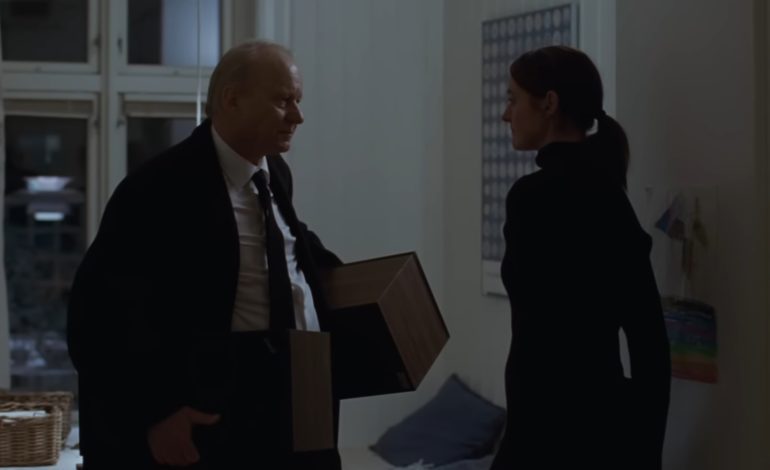
Joachim Trier is always looking for a way home. Be it through a mentally unstable but ambitious intellectual, a young woman discovering her powers through sexual awakening, or a recovering addict struggling to survive his first day back in town, Trier and writing partner Eskil Vogt’s characters exist in some state of alienation, deep down longing to connect and be understood by others, but above all, to make sense of themselves. It’s an exploration that requires the crafting of characters who appear real when examined up close. And even though these stories are told in a language and setting familiar only to a small portion of the global moviegoing audience, they succeed. Through specificity, Trier grasps the universal and, as a result, we find our humanity reflected back at us in ways few filmmakers today have achieved.
While an omniscient narrator and an episodic structure have become signatures of Trier’s approach, to interpret this distance as detachment would be a mistake. Trier is interested in realism and, at the same time, conscious of its elusiveness. That all-knowing voice provides clarity and guidance through the mess, and in The Worst Person In The World (2021), it allowed us into Julie’s mind. In Renate Reinsve, Trier found his perfect match: a performer capable of containing and amplifying his lead character’s complexity, sadness, and pain, all of which might otherwise have remained partly on the page. With Sentimental Value, the duo ventures into family relationships and generational trauma, with a story that asks what really happens inside a family, whose story it is to tell, and whether we can hope for tenderness and connection when full recognition is out of reach.
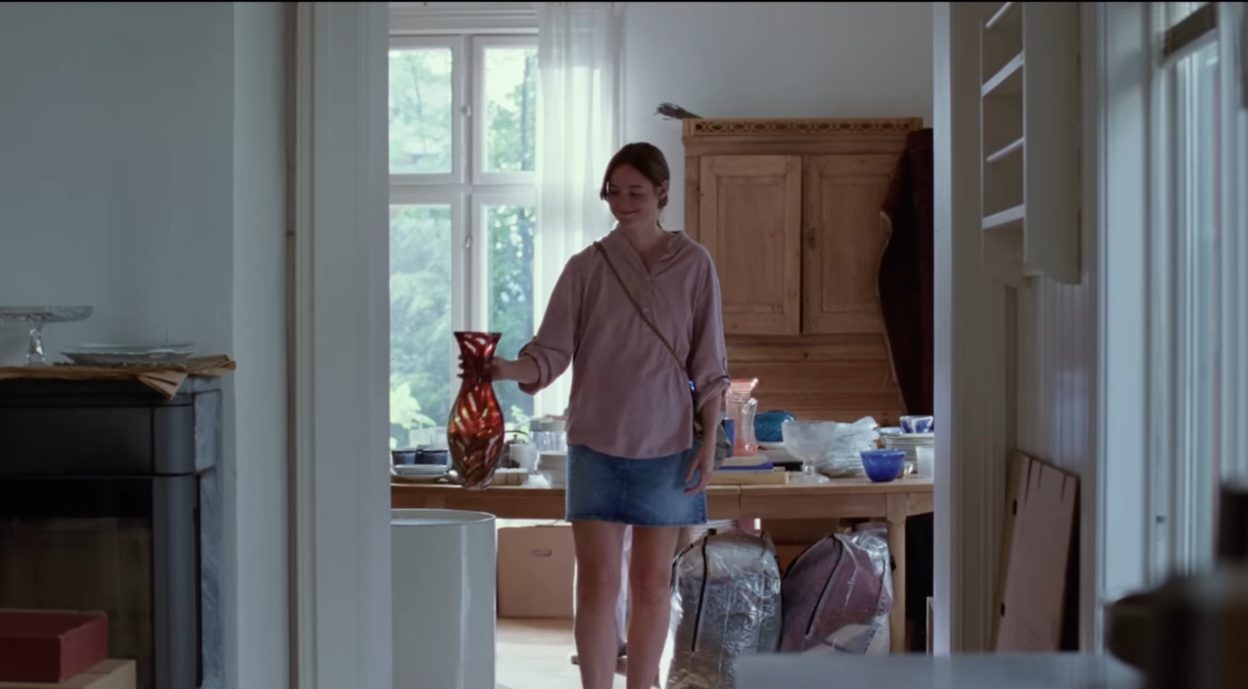
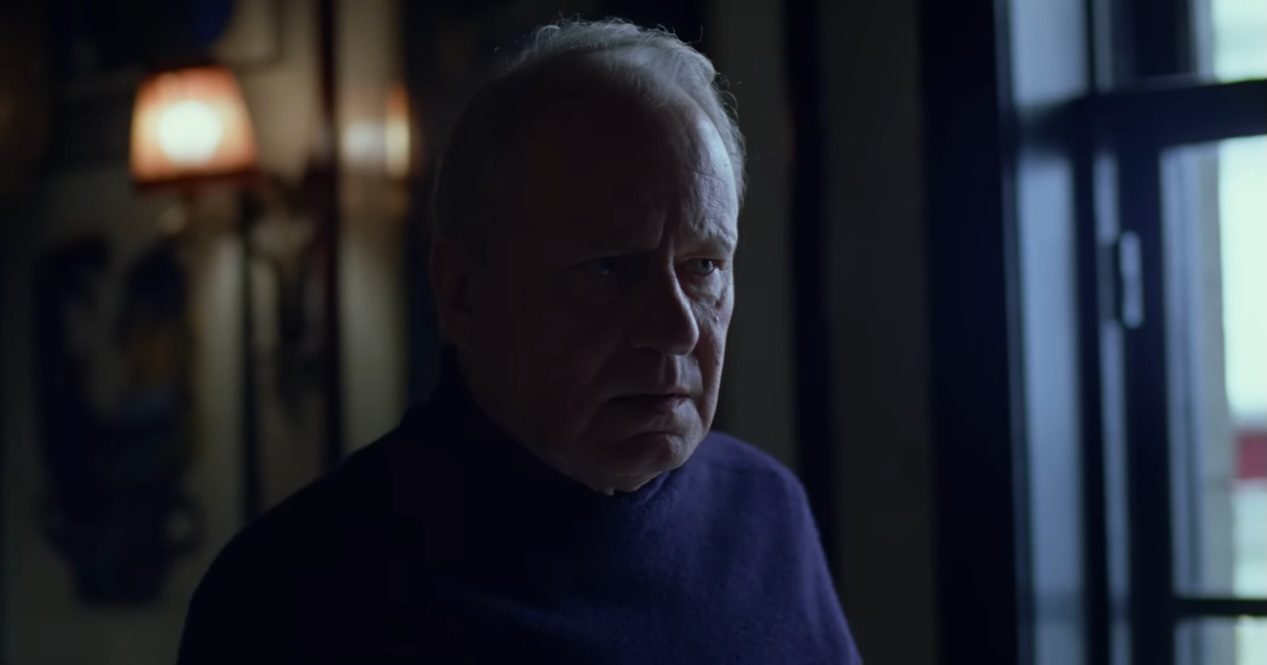
At the center of Sentimental Value’s amalgamation of perspectives is Nora (brought to life through Reinsve’s best performance yet), the family’s eldest daughter, who fluctuates from feeling “empty and quiet” to “full and heavy”, unable to decide which is easier to bear. Somewhat of a years-later version of The Worst Person’s Julie, Nora has found the safety to access her pain through her roles as an actress, and also the freedom to bring out her inner child to play — a quality that allows her to connect with her eight-year-old nephew, Erik, more than with any of the adults at her mother’s wake. When her father, filmmaker Gustav Borg (Stellan Skarsgård), unexpectedly arrives back in Oslo, it’s that child in Nora who asks for but doesn’t receive his validation. As a father, Gustav is absent, selfish, and sometimes cruel. He tries to pull those around him toward his viewpoint, where all his choices can be justified. And he has a request: for Nora to be the lead in his upcoming film. But despite their shared traits (like the dark sense of humor that allows them to enjoy watching Erik receive a DVD of Michael Haneke’s The Piano Teacher as a birthday gift), Nora can’t accept this offer.
In a story that examines various generations and timelines, as father and daughter go on a search for meaning, objects come into play, and the family’s home becomes an essential character. For the Borgs, as for many families, parts of their story have been lost through death and miscommunication. It’s become easier to attach to objects, to imbue them with memory, and to project versions of the truth onto them. The Borg home — with its visible cracks and flaws that attest to its eventful decades — is the only objective witness of their history, and of the history that came before their own arrival. Both Nora and Gustav find relief in the knowledge that, if no one else, this object has somehow recorded the sequence of events that shaped them into who they are now. While the object remains in their possession, there remains hope for understanding.
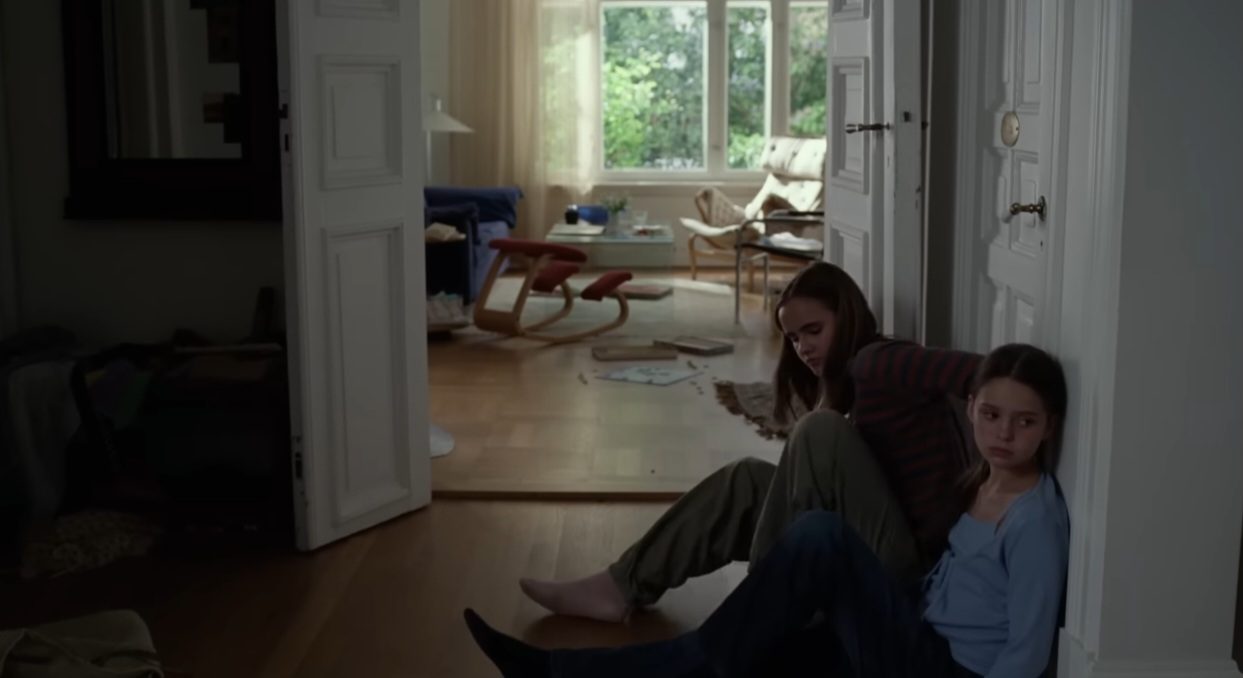
Nora grew up in this home with her younger sister, Agnes (Inga Ibsdotter Lilleaas). While being a source of support for Nora, Agnes represents everything Nora can’t bring herself to be: a mother and a wife, and the former lead actress in one of their father’s films. And as Nora examines their intricate past, Gustav is done with looking back, and instead faces toward the future. He attempts to replace Nora with American celebrity Rachel Kemp (Elle Fanning), though only to end up confronting the reality that true understanding can sometimes only be found within one’s family. The story reaches peak heartbreak as Nora uncovers a new perspective, and Gustav is finally capable of uttering an apology (even if only to her daughter’s double). While all hinting at hope and healing might be considered predictable, it is the depth Trier reaches in the exploration of his characters, not mere plot twists, that make this story one of the best of the year. If “all unhappy families are unhappy in their own way”, Trier finds this family’s particular way, guiding us toward a resolution that feels at once devastating and deeply human.
Rating: 5/5
It’s hard to imagine a film like Sentimental Value coming into existence without Trier being allowed to have creative freedom. Similar to Gustav, who at one point almost sells out to the big streamers and sacrifices his film’s theatrical release, Trier has ultimately managed to find success on his own terms—arguably the only kind that matters. In another parallel, one of the most powerful needle drops of 2025 comes at the film’s very end, as Labi Siffre sings “There’s a bird in a tree, singing a song just for me.” Only by staying true to his artistic vision, to the language he understands the best, and to the town he calls home, Joachim Trier manages to create a composition that many will declare feels made “just for me”.
