
 Jamie Barrett December 5th, 2025 - 7:25 PM
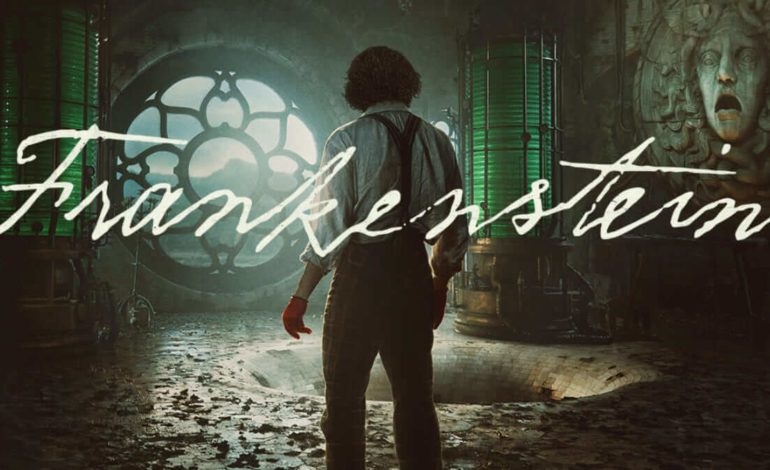
Guillermo del Toro’s Frankenstein is like stepping into a story you thought you knew and suddenly realizing it’s been flipped on its head. Unlike most adaptations that keep Victor Frankenstein in the spotlight, del Toro gives the Monster the narrative’s emotional core. Jacob Elordi owns that space with a quiet intensity. From the moment he opens his eyes, you are invited to see the world through his perspective. He is not just a stitched-together giant. He is curious, vulnerable, and learning to navigate everything for the first time. And yes, I found myself wanting to quietly guide him through it all.
Elordi’s performance is remarkable in how it communicates both strength and fragility. The Monster approaches the world cautiously, learning to walk, to touch, to understand. His isolation is palpable, but so is his curiosity. There are moments when he marvels at something as simple as sunlight through trees, and I felt a mix of awe and a very irrational urge to make sure he was fed and warm. It’s rare to feel genuine concern for a creature that could easily crush you, but here it felt natural.
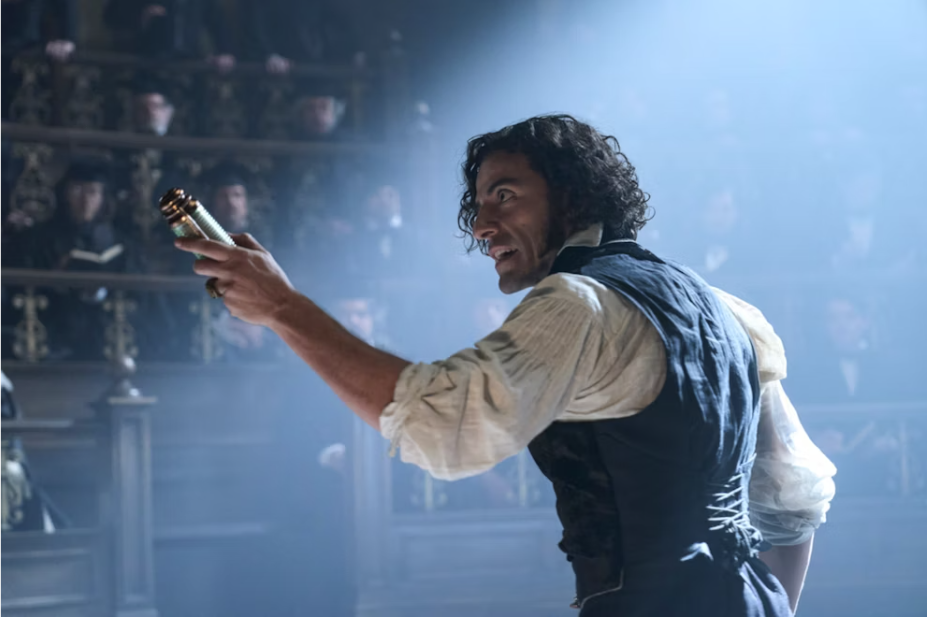
Oscar Isaac’s Victor Frankenstein is a whirlwind of energy and obsession. He’s brilliant, but reckless, and constantly haunted by the consequences of his ambition. Mia Goth’s Elizabeth provides a stabilizing presence, her compassion and insight offering a quiet counterpoint to Victor’s chaos. Their performances are grounded and magnetic, but it’s Elordi’s Monster who gives the film its emotional resonance.
What makes this version stand out is the focus on the Creature’s perspective. In one striking scene, he pauses at a clearing as the sun sets, bathed in gold and pink light. He studies the sky, hesitant, absorbed, alive in a way that makes the audience pause with him. I caught myself thinking, quietly, “Take your time. You’re doing fine.” It’s a small gesture of empathy, and yet it speaks volumes about how del Toro reframes the story.
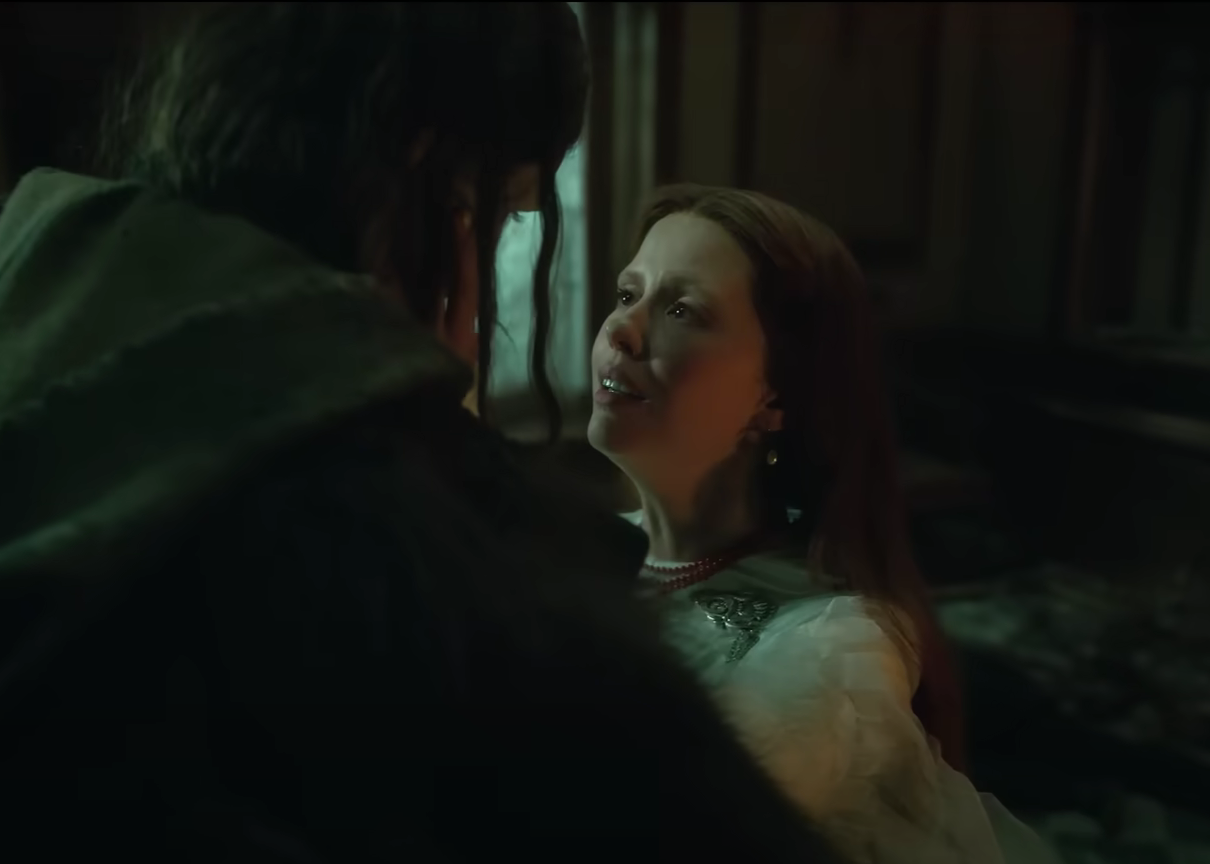
The narrative shift changes the emotional stakes entirely. The Monster is no longer just a cautionary tale about human ambition; he is a fully realized character trying to understand himself and the world. Scenes that might be suspenseful in other adaptations become moments of discovery or heartbreak. Watching him navigate life in a society that fears and misunderstands him highlights both his strength and his vulnerability. And it’s impossible not to feel a mix of admiration and protectiveness.

Del Toro’s gothic vision remains strong. From snow-covered forests to candlelit laboratories, every environment reflects the Monster’s inner experience. Shadows and light accentuate his isolation, but also his wonder. Sound design further immerses the viewer, capturing every crunch of snow and distant echo with precision. These elements make the audience live in the Creature’s shoes without ever feeling like we’ve left our own reality behind.
Jacob Elordi’s performance captures the tension between physical dominance and emotional sensitivity. The Monster could intimidate anyone, yet he restrains himself, observing and learning from human behavior. I found myself silently coaching him through interactions, like he might suddenly turn to me and ask for advice. It’s a bizarre feeling, but completely organic within the story.
Victor’s arc remains vital. Isaac portrays a man consumed by obsession and guilt, while the Creature’s journey to self-awareness unfolds simultaneously. Their confrontation in a snowstorm is tense, not because of violence, but because of the collision of emotions: fear, sorrow, longing. Elizabeth grounds the narrative, offering moments of empathy and understanding that bridge the human and non-human worlds.
Moral ambiguity permeates the film. Victor is flawed but human. The Creature is imposing but tender. Villagers are fearful but understandable. Everyone exists in shades of gray, and del Toro encourages reflection on responsibility, isolation, and empathy.

Visually, del Toro is meticulous. Gothic architecture, lighting, and color palettes emphasize the Monster’s journey. He is frequently framed alone, which underscores his isolation, but the framing also allows the audience to share his perspective fully. By aligning the camera with his viewpoint, the film creates intimacy, making moments of wonder, fear, and connection feel immediate.
The Creature’s story is ultimately one of identity and understanding. He learns who he is, what he wants, and how to navigate a world that is often hostile. By the end, audiences have not only witnessed his journey—they have lived it alongside him. Del Toro balances gothic tradition with a deeply personal perspective, creating a version of Frankenstein that is both epic and intimate.
When the credits rolled, the room was quiet. There was no cheering, just reflection. The emotional weight of the Creature’s journey lingered, and, if I’m honest, so did the maternal instinct I felt toward him.
Guillermo del Toro’s Frankenstein is rare in its success. It is visually stunning, emotionally resonant, and narratively inventive. By centering the Monster, del Toro challenges audiences to reconsider what it means to be human, who deserves empathy, and how isolation shapes experience. Jacob Elordi, Oscar Isaac, and Mia Goth all deliver performances that ground the story in emotion, tension, and humanity.
4 out of 5 stars.
This is a Frankenstein for a new generation. It is a film that will haunt, move, and make audiences think. And for those of us who can’t help it, it might also inspire a very specific urge to look after seven-foot stitched-together men. Because sometimes empathy includes checking that they’re warm and have eaten something.
