
 Jamie Barrett December 9th, 2025 - 6:11 PM

The past few years in Hollywood have been anything but quiet: strikes, streaming chaos, layoffs, IP fatigue, but recently something a little more subtle has started to emerge. A shift, not on the screens we’re watching, but behind them. And that shift may be politically driven.
While the headlines keep circling around reboots and box office trends, a less visible story has been developing in the boardrooms and corporate mergers. More than ever, decisions around talent, shows, and even which movies get made seem increasingly influenced by political pressure, and in particular, by a growing conservative influence. Perhaps no single story captures this moment better than the abrupt cancellation of The Late Show with Stephen Colbert.
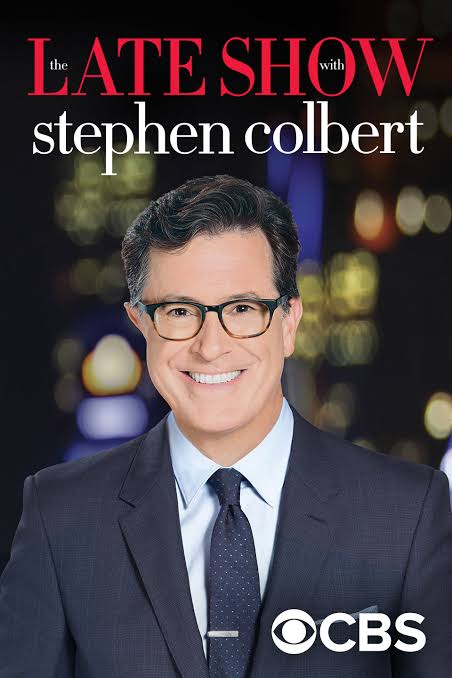
The Cancellation of Colbert
CBS’s announcement in July of 2025 that it was ending The Late Show caught a lot of people off guard. Stephen Colbert had been one of late night’s most consistently popular hosts, known for his sharp monologues, biting satire, and especially for being one of the few mainstream voices consistently challenging right-wing figures— mocking, calling out, and satirizing figures like Trump for years.
The network said the move was about cost-cutting. But the timing? Extremely curious.
It came just as Paramount Global, CBS’s parent company, was finalizing a massive merger with Skydance Media. The $8 billion deal was framed as a lifeline for a struggling legacy company, but the regulatory approval process raised eyebrows, especially after a certain condition was made public: CBS News would be required to hire a politically conservative ombudsman, Kenneth R. Weinstein.
On paper, this was a neutral bureaucratic move. But behind the scenes, it seemed like a calculated message, and Colbert’s removal from CBS’s lineup only amplified that message.
George Cheeks, CBS CEO, claims, “The economics made it a challenge for us to keep going.”
In the days following the announcement, Colbert responded with humor, and a clear jab at Trump, who had celebrated the show’s end on social media claiming the cancellation was rooted in Colbert’s lack of talent. However, Colbert clapped back,
Not Just a Show — A Signal
This wasn’t just a programming change. The late-night landscape has always been a barometer of where culture is headed, and Colbert wasn’t just a host, he was an opinionated voice in late-night TV. His departure doesn’t just leave a timeslot empty. It creates a silence in a space that used to be a platform for critique, satire, and pushback against politics, and his peers seemed to agree. A group of fellow late-night hosts, including Seth Meyers and Jimmy Kimmel, reportedly paid Colbert a private visit after the announcement, in a gesture of solidarity.
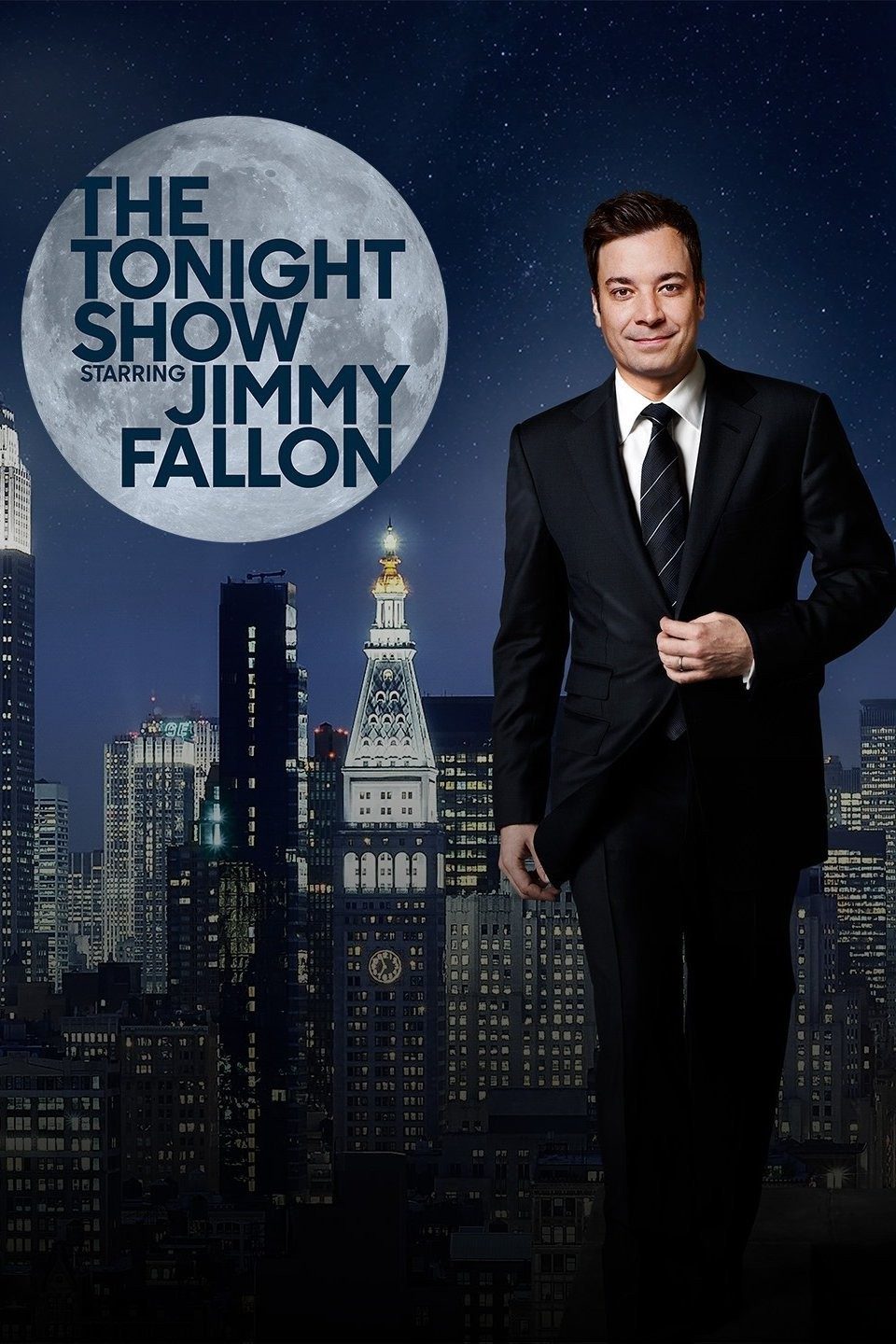
Meanwhile, the Writers Guild of America didn’t mince words. The WGA officially called for an investigation into Colbert’s cancellation, suggesting it could be a politically motivated move.
Whether the show was dropped to save money or to save face with regulators, one thing is clear: Colbert’s voice became inconvenient at the exact moment CBS was asking for favors from a conservative-leaning FCC.
A Pattern Emerges
Colbert’s cancellation might be the clearest example of this shift , but it’s far from the only one.
In August, Disney quietly settled its long-running lawsuit with actress Gina Carano. She had been fired from The Mandalorian in 2021 after comparing COVID mandates to Nazi Germany, prompting major backlash and the end of her Lucasfilm contract. At the time, Disney publicly distanced itself from her. But now, just a few years later, the studio settled the case and released a surprisingly warm statement, even leaving the door open for future collaboration.
Disney’s statement read, in part: “Ms. Carano was always well respected by her directors, co-stars, and staff, and she worked hard to perfect her craft while treating her colleagues with kindness and respect… With this lawsuit concluded, we look forward to identifying opportunities to work together with Ms. Carano in the near future.”
It was a stark reversal. Carano’s firing had symbolized the consequences of extremist public statements. Now, her quiet reintegration signals something different: a studio eager to put the whole thing behind them, or, more cynically, a studio hoping to avoid further attacks from conservative media or investors.
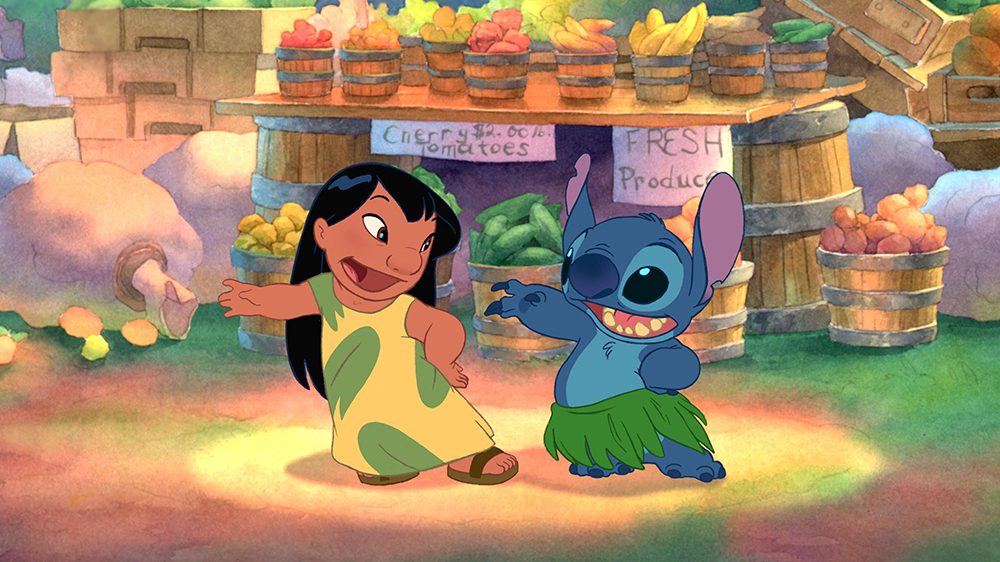
The same pattern can be seen in film production. Consider Disney’s live-action Lilo & Stitch, which has sparked criticism for softening or removing the anti-establishment, anti-colonial themes that made the 2002 original stand out. The remake appears to embrace a safer, sanitized version of its story, one that avoids any clear political or cultural commentary. Similarly, the recent Little Mermaid remake and Snow White project have both undergone rewrites and delays, reportedly to remove content perceived as politically divisive.

Put these moments together; Colbert, Carano, the reimagined Lilo & Stitch, CBS’s new ombudsman, and you begin to see a trend: studios prioritizing political neutrality (or what they call neutrality) over controversy. And in practice, that often means steering away from progressive voices and stories.
Why It Matters for Film
You might be thinking, “Okay, this is TV. What does it have to do with movies?”
A lot.
The logic driving Colbert’s cancellation, that political content can endanger corporate deals, is the same logic increasingly shaping the movie landscape. Studios don’t just want hits anymore. They want to avoid problems. And for some of them, that now means avoiding stories that deal with race, gender, identity, or politics.
It’s not a full-blown ban on progressive content. It’s something quieter, more systemic. Studios might still buy those scripts, but they won’t greenlight them. Or they’ll slash the marketing budget. Or they’ll water down the themes.
If you’re a screenwriter working on a story about anti-racism, queer identity, or a feminist revenge arc, it might suddenly feel a little harder to get the studio’s attention. Not because the work isn’t good, but because it doesn’t feel “safe” anymore.
The Rise of the “Safe” Story
In this shifting environment, the stories that get made tend to share a few traits. They’re nostalgic. They’re patriotic. They center traditional values: family, sacrifice, rugged individuality. Some of them are subtle. Others are more obvious.

We’re seeing more films that celebrate war, religion, and conservative ideals, not necessarily because audiences are asking for them, but because those stories don’t make shareholders nervous.
And increasingly, these projects often feature more traditional gender dynamics, including a noticeable return to the old-school “male hero saves female” structure that had largely faded from mainstream filmmaking over the past decade.
It’s not that filmmakers have suddenly stopped caring about bold, progressive storytelling. It’s that studios; worried about mergers, tax incentives, and political backlash, are pulling the brakes before those stories even leave the pitch room.
And yes, it’s already affecting casting too. Expect to see more traditional gender roles, fewer openly radical characters, and a general softening of the edge that defined some of the best films of the last decade.
The Conservative Investment Strategy
This shift isn’t just about government pressure. It’s also about money.
In recent years, conservative investors have quietly begun targeting media companies, not just for financial return, but for ideological influence. There’s growing speculation, supported by financial disclosures, that right-leaning shareholders are buying up stock in companies like Disney, Warner Bros Discovery, and Paramount, hoping to influence boardroom decisions. This mirrors earlier reporting from a Disney board meeting where several conservative investors who had recently bought shares accused leadership of caring more about being “woke” than about profits, an exchange that insiders described as unusually heated.
Their playbook isn’t about censorship in the classic sense. It’s about soft power, applying pressure through legal threats, public boycotts, or shareholder activism until companies start to self-censor.
And it’s working.
For example, the 2024 documentary Am I Racist?, produced by the conservative media outlet The Daily Wire, became the year’s top-grossing documentary. Its success points to a growing appetite for content that challenges progressive narratives, and shows how studios and media companies are increasingly treating politically “safe,” conservative‑friendly material as a sure bet.
Studios are increasingly wary of material that could spark political backlash. A state tax credit might depend on whether your movie matches “community standards.” A merger approval might be smoother if you drop that controversial docuseries. It’s not officially censorship, but it acts like it.
The New Script Being Written
Film is not just entertainment. It reflects culture and shapes it. When stories are filtered to appease political and financial interests, the result is an industry that becomes afraid of its own voice. The cancellation of The Late Show was not just the end of a talk show. It marked the beginning of a new Hollywood playbook, one where safety is prized over substance and silence speaks louder than satire.
Until studios rediscover the courage to tell stories that challenge rather than comfort, this quieter, more cautious Hollywood will keep writing itself one safe, forgettable script at a time.
