
The Climate Reality Check report was created to test films by simply asking if climate change exists in the films and if a character is aware of it. This year, the pass rate was 31% for eligible films, a significant step up from 2025’s 10% and 2024’s 23%.
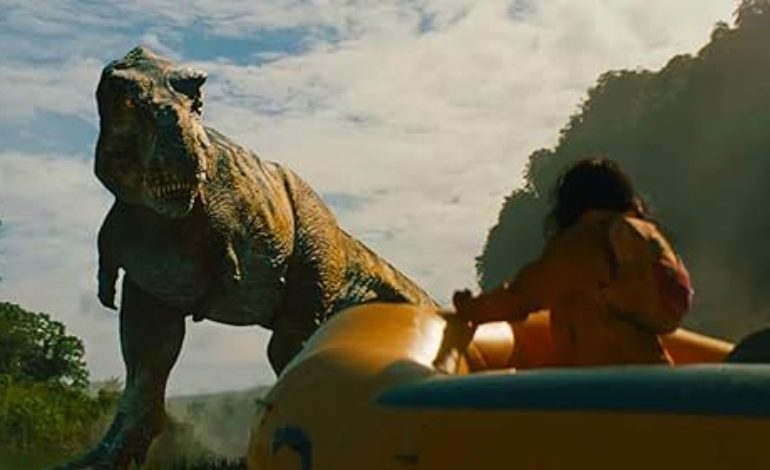
Good Energy, “a story consultancy that aims to increase climate change visibility in TV and film…”, coupled with Dr. Matthew Schneider-Mayerso, to establish the Climate Reality Check. It has drawn comparisons to the Bechdel-Wallace test, which houses the same principles to evaluate female representation on screen.The test is routinely applied to the Academy Award nominees, with fifty films being evaluated this year. The criteria assert that a film must be in the present day, set on Earth, and feature length. Sixteen fit the bill this year, and five films were able to pass the test: Arco, Bugonia, Jurassic World Rebirth, The Lost Bus, and Sirāt. CEO and founder of Good Energy, Anna Jane Joyner, was quoted discussing the matter.
The five… films that reflect our climate reality are strikingly different from one another, but as different as these films are, they also share a common thread. These films reflect ordinary people… who dig deep and find the determination to meet the moment… At its best, cinema reveals what’s at stake and who we might choose to be. Good Energy celebrates these bold storytellers and a defining year for climate visibility at the Oscars.
Jurassic World producer Patrick Crowley also shone a light on the importance of being authentic in the art they are creating.
It’s essential that the audience believes the story you’re telling could really happen, and that means doing your research and making sure even the biggest ideas are grounded in authenticity. And if we’re reflecting the world as it exists today, that authenticity has to include our relationship with the natural world and the impact we have on it. I hope we continue to see more stories that make heroes out of the people who dedicate their lives to protecting the planet.