
 Amani Sanders May 10th, 2025 - 8:48 AM
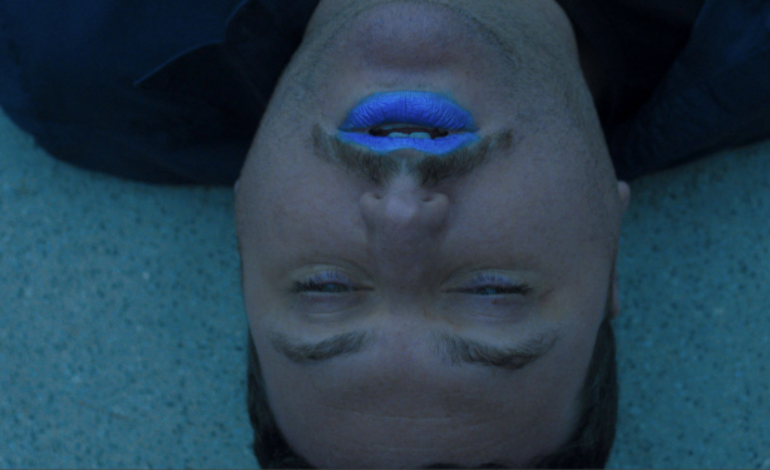
What happens when “ordinary” people, not extraordinary people, die? What happens to those of us who stay here on earth left by dead who are only remembered by us? How much does it cost to drag that pain along? These are the questions the director/writer Iair Said asks with his film Most People Die On Sundays. It is an emotional and thought provoking film that takes a look at how the average person navigates grief and how to continue with life after losing a loved one.
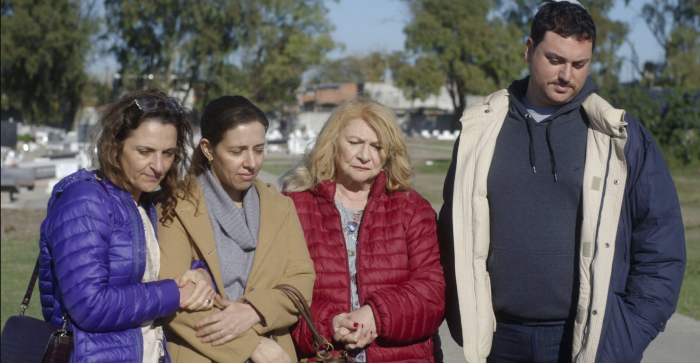
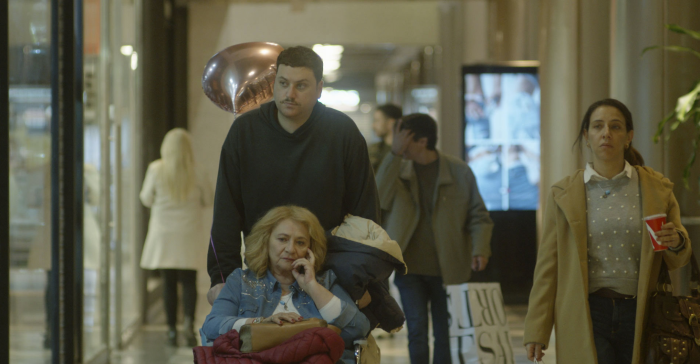
Loosely based on his own experiences with death and grief, Most People Die On Sundays follows David (Iair Said), a young middle-class Jewish man as he returns home to Buenos Aires from Europe after the death of his uncle. Upon his return, he discovers his mother (Rita Cortese) wants to disconnect his father’s respirator, the only thing keeping him alive during his years-long coma. David finds himself struggling between his and his family’s grief, plus his own existential crisis surrounding his fear of loneliness.
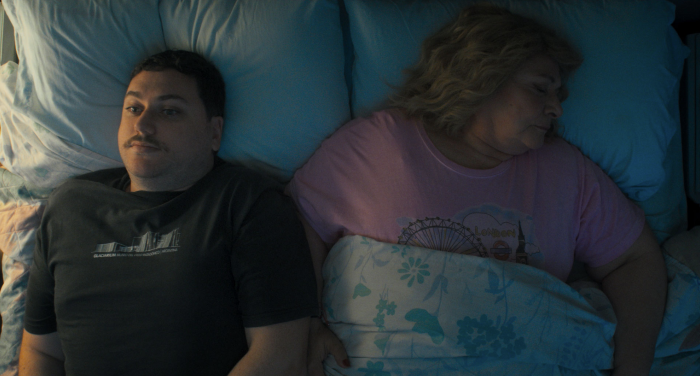
David is a very interesting character. It’s abundantly clear from the beginning that he is painfully scared of being alone. The opening scene shows David crying and seemingly talking to his lover as he begs him not to leave him. Throughout the film, David’s biggest struggle besides grappling with the eventual death of his father, is his fear of loneliness. He latches on to any man that gives him a sliver of attention, leading to multiple moments of secondhand embarrassment that will have you asking yourself, “What in the world is he doing?” Though David is interesting because of his existential crisis, his family and him are a typical family. As Said said, he captures a family of “ordinary people who go through a mourning moment as they try to survive with a pain that will transform their lives forever.” The talk surrounding David’s father is very casual, while there is a feel of apprehension in each conversation about him, and about the removal of his respirator. There is a sense of casualness about grief that this film captures, especially with David’s father in its anticipatory grief. He is not actually gone, but they know that the day is approaching soon.
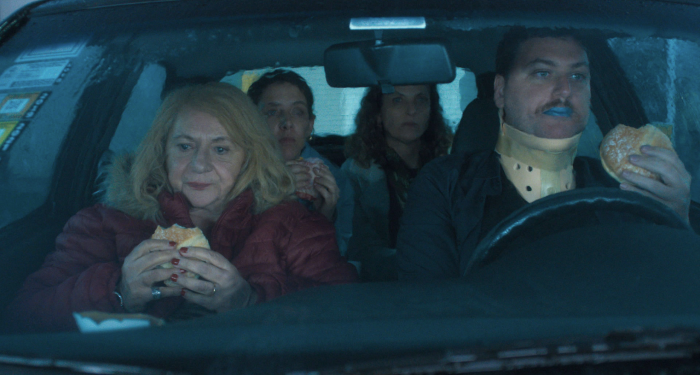
I appreciated that grief is the heart of the film, but it is not shown in a grand spectacle. It is a family taking their life day by day, trying to come to terms with navigating the finality of death. The anticipated grief of his father is the thing that is surrounding David’s life, but it is not addressed by him until the end of the film. The grief is subtle, and slowly takes over the film by the end. He had to run out of his distractions such as driving lessons, going to specialists to discuss his personal problems, and trying to sleep with any man he could. Once those distractions were gone, he had no choice but to face his father and his grief.
Score: 3.5 out of 5 stars
Most People Die On Sundays was an extremely realistic portrayal of a family having to move on with their lives in the midst of their grief. The subtlety of the experience of grief is one of the high points of the film, while one of the low points is watching David’s reckless behavior.

