
 Mikaela Lewis September 29th, 2025 - 1:09 PM
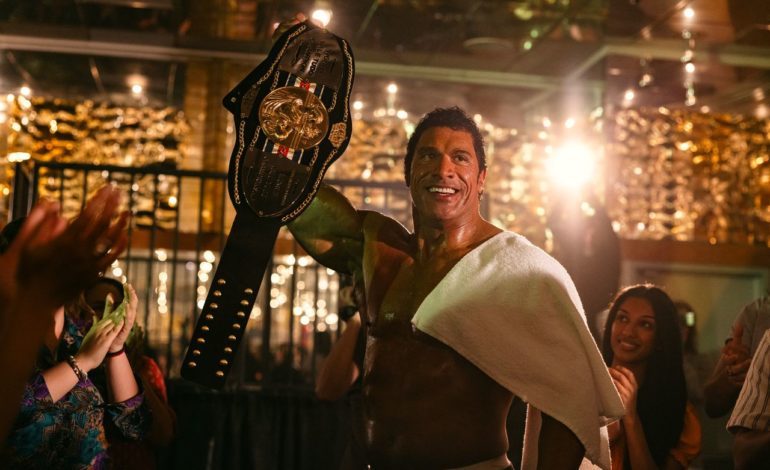
A24 took on the oversaturated genre of biographical sports drama in creating The Smashing Machine, but decisions from director Benny Safdie helped this story stand out. The film follows highs and lows of the martial arts career of UFC hall of famer Mark Kerr.
Mark Kerr, depicted by Dwayne Johnson, was a pioneer for the Ultimate Fighting Championship in the late 1990s. Johnson’s acting in this role, falling from a loving man into a violent addict, showed the viewer just how destructive addiction is to otherwise ordinary people. Audience members can’t help but to feel sad for the spiral that Kerr’s girlfriend, Dawn (Emily Blunt), watches him undergo.

Emily Blunt’s portrayal of Dawn convinced the viewer of the effects loved ones suffer in the face of a person’s struggle with addiction. Most notably, a scene in which she feels driven to suicide due to her tumultuous relationship with Kerr seems to be the nail in the coffin for his understanding of just how legitimate the effects of a toxic relationship can be. Although the concerned girlfriend trope has been done many times, Blunt’s performance reminded the viewer about all of the suffering Kerr’s personal struggles brought burden upon his loved ones.
Cinematography was the icing on the cake for this drama to feel, well, dramatic. Stand out scenes include a drawn out walk back to the locker room following Kerr’s first loss (later ruled no contest)—only following his back yet still showing the overwhelming emotion of the moment—and the cameo from the real Mark Kerr as he breaks the fourth wall just before the credits roll. Set in the 90s, the camera work reflected it, with shaky frames and choppy zooms, leading the viewer to feel a more personal connection to the characters. Also well done were the numerous fight scenes, as the sound effects with each strike left the theater booming. Special effects such as blood and bruises, even scenes injecting narcotics or stitching up gashes, were prime examples of A24 producing what the studio does best: gore that makes audience members instinctively cover their eyes.
After recovering from his addiction to painkillers and narcotics, Kerr returned to Japan as a heavily favored fighter in the 2000 Pride Grand Prix. As rounds of fighting go by, the press indicate that the likely final would be between Kerr and his longtime friend/training partner, Mark Coleman (Ryan Bader).
But Kerr didn’t come back to win the title fight, he didn’t even win the semi-final. However, this story was one of overcoming different beasts: finding sobriety and healing interpersonal relationships.
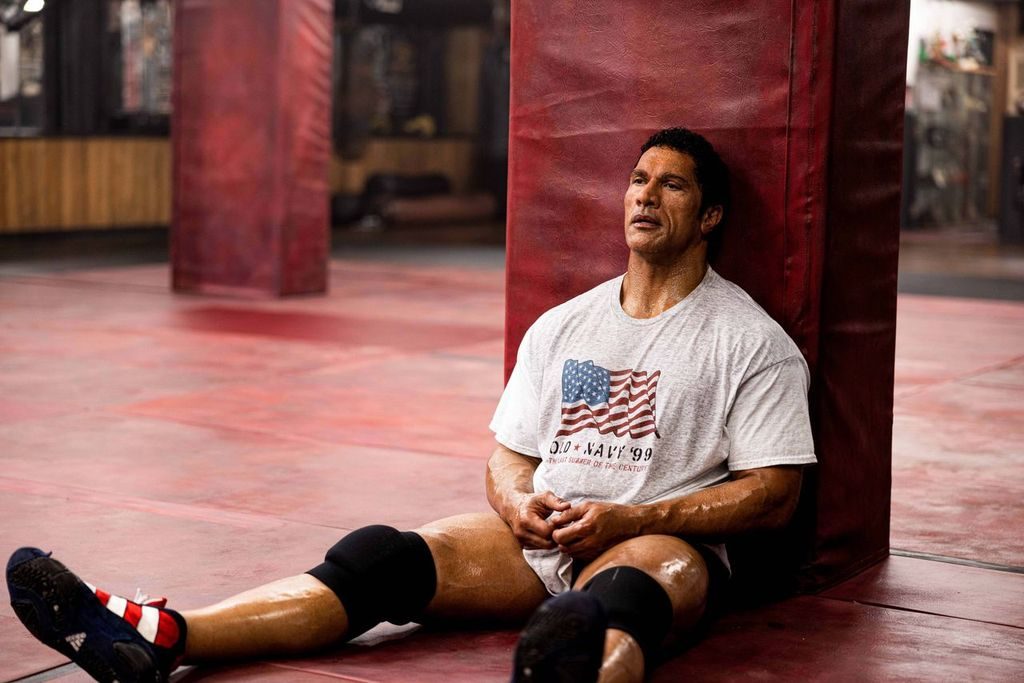
4.5/5 Stars.
While the predictable—perhaps even satisfying—ending would have seen a dramatic fight between the two friends, as Kerr channeled his pain and aggression toward his opponent, having the ultimate comeback story following a stint at rehab, it was Coleman who actually won the 2000 Pride Grand Prix. Yet, as he sat wearing his championship belt alone, the viewer was left to wonder what truly constitutes “a win.” The Smashing Machine told a story far more complex than a cliché, happy ending to a sports drama.
