
 Erik Carlson October 16th, 2025 - 10:20 PM
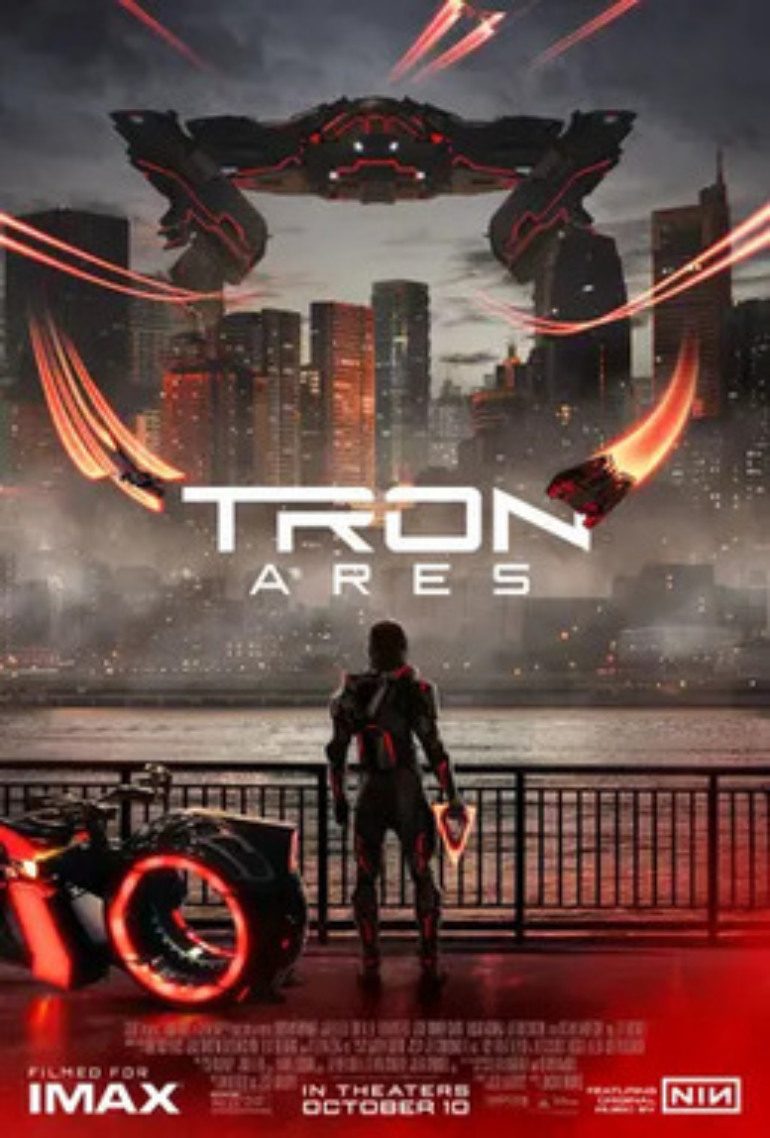
This past weekend, Tron: Ares, Disney’s sci-fi action sequel, premiered in theaters to disappointing numbers, grossing only $66 million worldwide ($40 million domestically) against a $180 million budget. Certain critics have attributed this failure to the film’s messaging on AI: some claim audiences are tired of the “Evil AI” trope, others say audiences were off-put by a more positive stance. But is either really the case?
For starters, the Tron franchise has always been a niche property. Like Ares, its predecessors were considered box office disappointments, with the original Tron grossing $33 million against a $17 million budget and the follow-up, Tron: Legacy, earning $400 million against a $170 million investment, both figures falling below Disney’s expectations.
The three also received mixed reviews from critics, with Ares sitting at a 53% Rating on Rotten Tomatoes, Tron: Legacy at 51% and Tron at 61% with the consensus that they all have amazing visuals but also thin stories and characters.
The long stretches between release dates likely don’t help, as Ares comes 15 years after Tron: Legacy and 43 years after the original. Because the first two eventually became cult classics years later, and with it currently at an 86% Audience Rating, it is possible Ares will follow in their footsteps, however.
The casting of Jared Leto in the titular role is another factor. Tron: Ares is the latest in a line of box office failures for the actor, including Blade Runner 2049, House of Gucci, The Haunted Mansion, and Morbius. In addition, Leto has been mired in recent controversy with numerous women accusing him of assault and cult-like behavior.
Outside the series, while comparisons have been made between Ares and other recent AI-themed flops like M3GAN 2.0 and Mission: Impossible-The Final Reckoning, the reasons for their flopping are actually more complicated. The pandemic and a bloated script hindered the latter’s production, while the former was criticized for having a completely different tone from the original. Meanwhile, other AI-themed films, such as the original M3GAN, praised for its humor and sharp commentary, and The Wild Robot, with themes of technology and nature, were huge hits.
So is AI to blame for Tron: Ares‘ financial failure? Perhaps marginally from a character angle. But overall, the true culprits have been the usual suspects all along: a niche appeal, an underdeveloped story and characters, and a controversial, unpopular actor in the lead role.
