
 Amani Sanders August 12th, 2025 - 2:50 PM
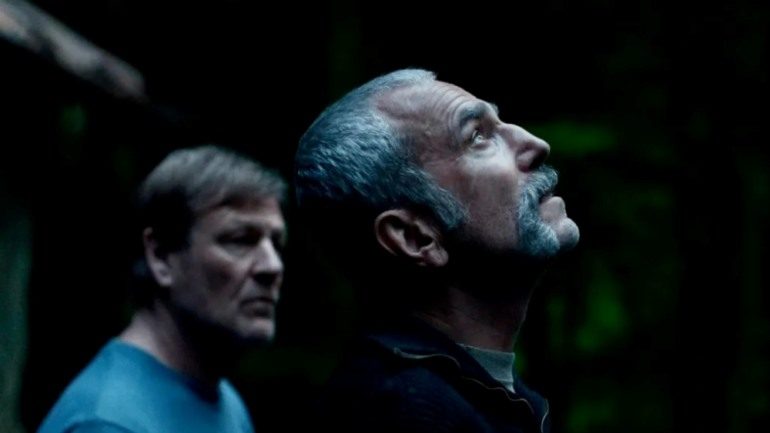
The legendary Daniel Day-Lewis has returned to Hollywood, as seen in a first-look photo of his new film, Anemone. This marks his return to cinema after retiring eight years ago. The project from Focus Features is set to have its world premiere at The New York Film Festival, which runs from Sept. 26 to Oct. 13. This film also marks the directorial debut of the three-time Oscar winner’s son, Ronan Day-Lewis, and is co-written by the father-son duo.
The official description for the film calls it “an absorbing family drama … about lives undone by seemingly irreconcilable legacies of political and personal violence.” It is set in Northern England and follows a middle-aged man, played by Sean Bean, who “sets out from his suburban home on a journey into the woods, where he reconnects with his estranged hermit brother,” played by Day-Lewis. “Bonded by a mysterious, complicated past, the men share a fraught, if occasionally tender relationship—one that was forever altered by shattering events decades earlier.”
The description continues, “An emotional powerhouse, this directorial debut is assured in both small details and grand gestures as it charts the path toward familial redemption against all odds. In addition to its unflinching lead performances, Anemone features standout supporting work from Samantha Morton and Samuel Bottomley, and sensationally expressive widescreen cinematography by Ben Fordesman.”
Anemone will be Day-Lewis’ first feature film since 2017’s Phantom Thread. Before that film’s release, Day-Lewis issued a statement: Daniel Day-Lewis will no longer be working as an actor. He is immensely grateful to all of his collaborators and audiences over the many years. This is a private decision, and neither he nor his representatives will make any further comment on this subject.”
In an interview with W Magazine, he further explained: “I knew it was uncharacteristic to put out a statement. But I did want to draw a line. I didn’t want to get sucked back into another project. All my life, I’ve mouthed off about how I should stop acting, and I don’t know why it was different this time, but the impulse to quit took root in me, and that became a compulsion. It was something I had to do … I dread to use the overused word ‘artist,’ but there’s something of the responsibility of the artist that hung over me. I need to believe in the value of what I’m doing. The work can seem vital. Irresistible, even. And if an audience believes it, that should be good enough for me. But, lately, it isn’t.”
