
 Tristan Leban April 19th, 2025 - 2:59 PM
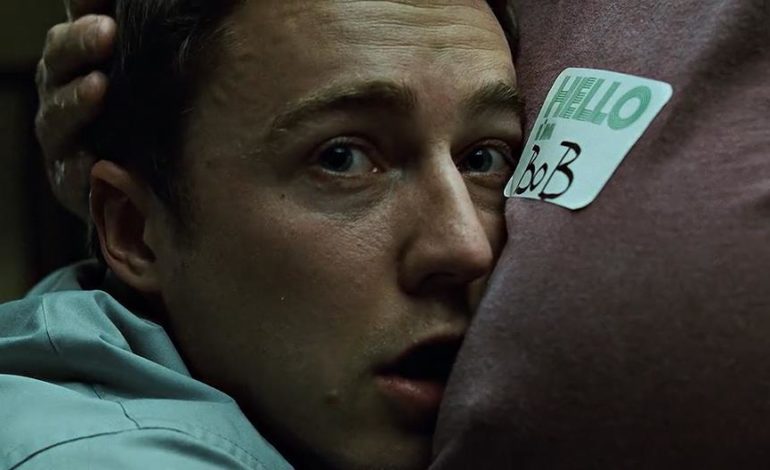
Masculinity has become such a hot topic in today’s world, and I think a lot of people form their perceptions of it through films sometimes without even realizing it. That’s not always helpful when it comes to shaping a healthy worldview. Take a film like ‘Fight Club’, for example. Many people would point to it and say it captures the essence of male struggle. I get that. It shows how the absence of purpose can eat away at a man, how modern life can feel numbing and hollow. But if I’m being honest, I’ve never really related to it. I like ‘Fight Club’, but the narrator goes from being bored at a job he doesn’t like to committing domestic terrorism, which feels a bit extreme. I understand the philosophical ideas it presents, but it’s not exactly the kind of movie I’d show my future son. So instead, I tried to reflect on the movies that did help shape me. Films that made me think about what it really means to be a man. These are the ones that helped me grow, gave me perspective, and offered something deeper than just surface-level strength or rebellion. Here are some of my favorite films about masculinity.
Moonlight
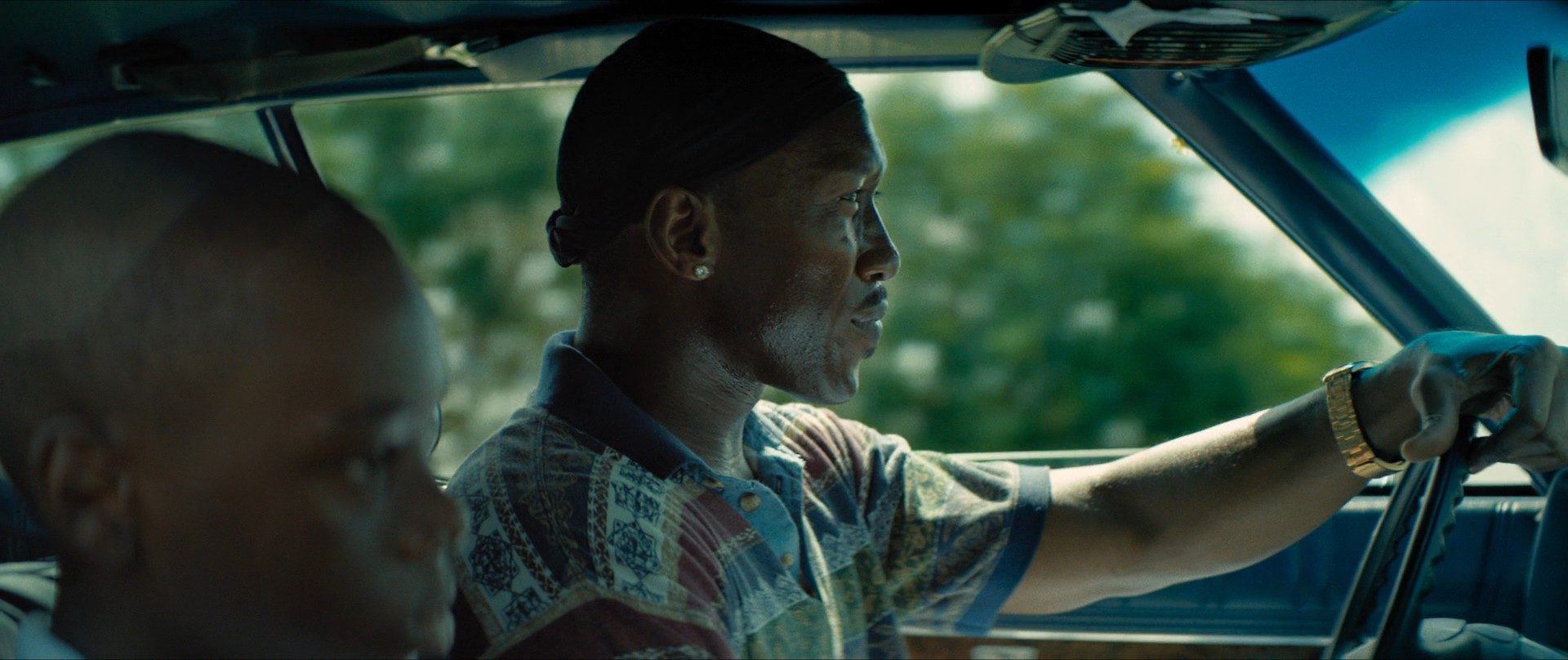
The 2017 Oscar Best Picture winner ‘Moonlight’ is a powerful look into what it means to be a man when you are a true outcast in the world around you. Chiron, the main character, faces every disadvantage as he grows up on the rough side of Miami. From a young age, he is isolated by other boys for being gay and struggles to form real friendships. His mother falls into a crack addiction, bringing around dangerous men and emotionally neglecting him. Chiron rarely speaks, not because he has nothing to say, but because his words carry no weight in a world that refuses to hear him. Even the voices around him begin to feel meaningless, and everything around him fades into silence. He eventually meets Juan, a drug dealer who sees that Chiron just needs love, guidance, and someone who believes in him. I appreciate how much character development is poured into Chiron. Many films struggle to portray gay men’s masculinity without relying on stereotypes, but this one does it right. It does not reduce him to his sexuality. It focuses on his experience, his silence, and his strength. Chiron learns how to be aggressive and live without affection or purpose, which is something many men, especially today, can relate to. His journey as a man is heartbreaking to watch, but it holds a powerful and universal message. Men often struggle with having few emotional or social outlets, especially when the world around them perceives them as weak or different. You must learn how to defend your heart, but also how to look out for others who are stuck in the same kind of silence.
The Green Knight
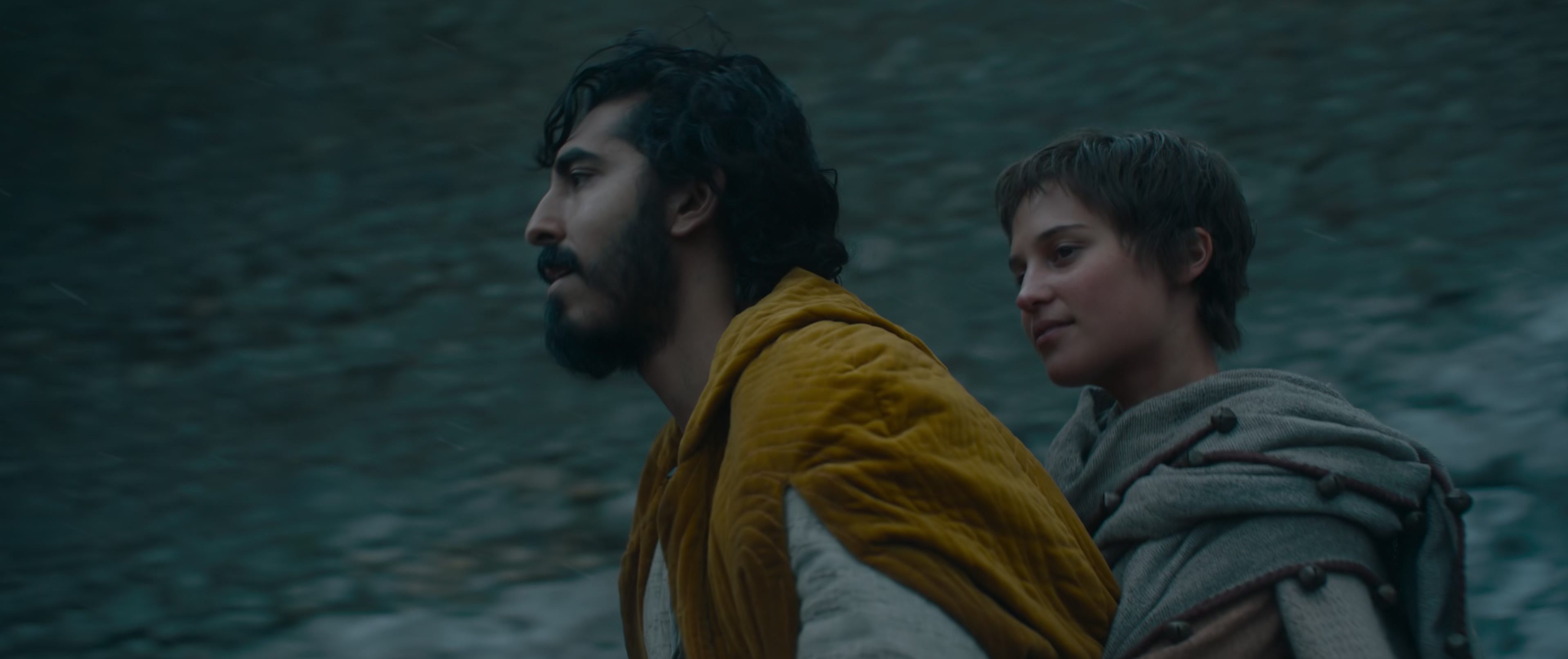
Based on the 14th-century poem ‘Sir Gawain and the Green Knight’, our story follows Gawain, the nephew of King Arthur, who is far from his uncle’s legend. He is an uninspired, aimless young man who finds comfort in day-to-day mediocrity. Spending his time at the whorehouse, drinking all night, and living with his mother is not the path to valiant knighthood. His exclamation of not being ready for mass is more a reflection of his life than the morning itself. He is stuck in a cycle of hesitation, wanting to prove himself but believing he must already be worthy before attempting greatness. He hides his self-doubt behind the excuse of waiting for the right time, but that is not how growth works. You do not just arrive at the end of a race; you must take it one step at a time. When a mysterious Green Knight arrives at Arthur’s court and offers a challenge to anyone willing to strike him, everyone falls silent. Gawain sees his chance at an easy path to legend and steps forward. But the challenge is not what it seems. After taking the blow, the Green Knight stands, picks up his own head, and tells Gawain to meet him in one year to receive a return strike. With time to prepare and reflect, Gawain must decide whether he will honor the deal or turn away from his chance at true nobility. Throughout his journey, it seems like Gawain makes all the wrong choices, but in the end, those choices do not matter as much as he feared. The steps themselves are what bring him closer to becoming the man he was meant to be. I really enjoyed this movie when I saw it in theaters. It shows how young men can become stuck in fear of attempting a better future because they are intimidated by the greatness of their goal, but there is nobility in facing your fears no matter how small they seem. It is worth applying for the job you might not be qualified for, going to the gym when you have no idea what you are doing, or asking out the beautiful girl when everything in your head is telling you not to. It is not so much about getting the trophy; it’s about the experience these things bring you. The small steps you take can lead you to the adventure you have been searching for your whole life.
Dead Poets Society
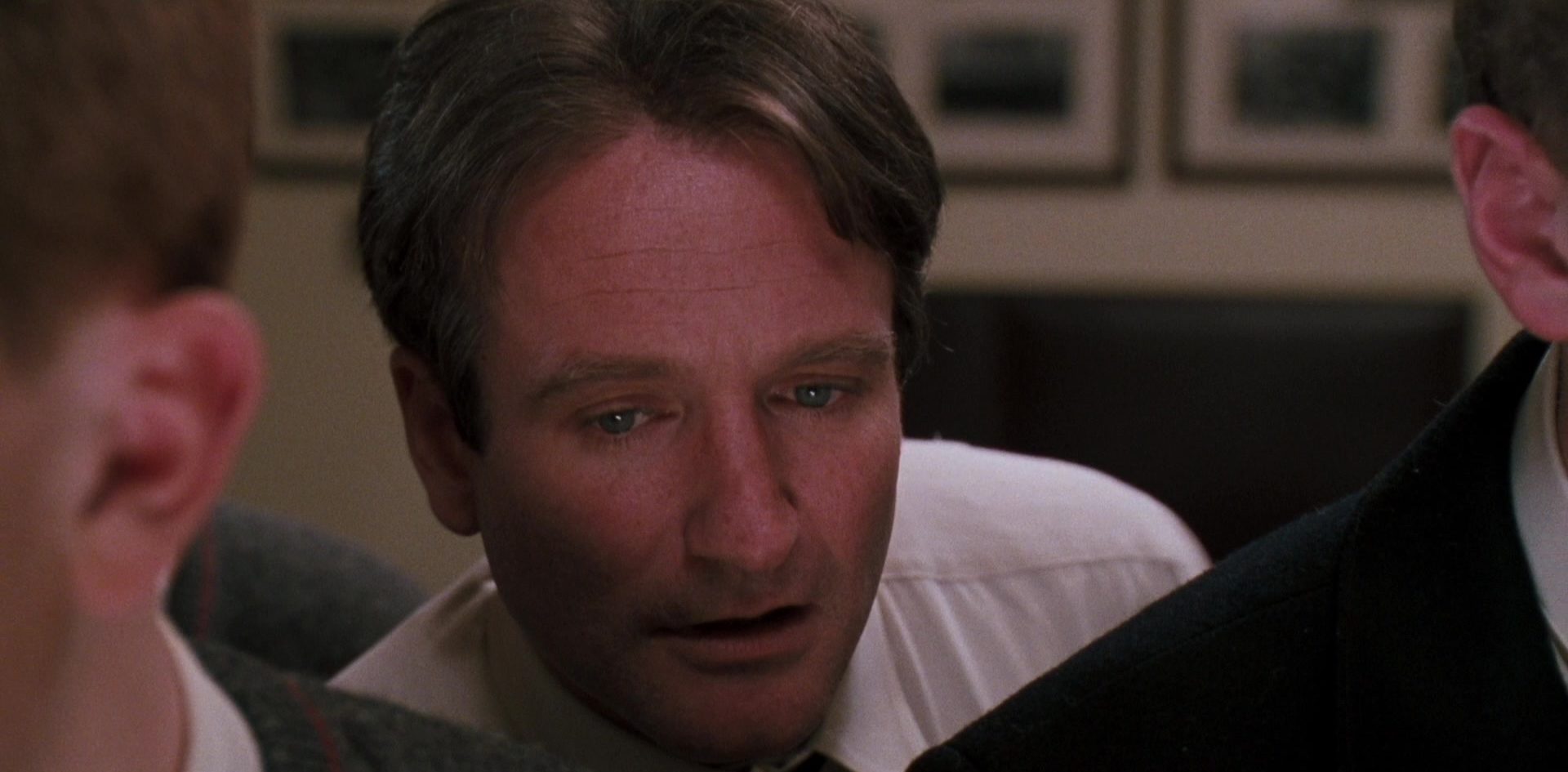
Our story follows the young men of Welton Academy, a school known for tradition, education, honor, excellence, and strict discipline. A place where most parents would dream of sending their sons, hoping to give them the best possible future. There is nobility in that pursuit, but also lifelessness in the way the institution operates. The boys are often overseen by oppressive parents and authoritarian teachers who only value merit, structure, and obedience. So, when Mr. Keating enters their lives, the boys are unequipped for what he offers. At first, they are skeptical of his nontraditional teaching style, but Mr. Keating is calm, creative, warm, and most importantly, embracing. His way of teaching contradicts everything else at Welton, and that contradiction earns the boys’ trust. He shows them that poetry is not just something written in books, it is the art of living itself. He represents the softer side of masculinity, the one that encourages men to slow down and take in the world around them. There is beauty to experience in life. Poetry can be found in the dish a chef prepares, in the wood of the house you live in, in the breeze of a sunny afternoon, and in the people, you meet without expecting to. If there was ever someone meant to bring that kind of poetry to the screen, it was Robin Williams. His performance gives this film a special place in my heart. I feel like it helped inspire me to write and to search for the poet within myself. Maybe I’m biased, but his portrayal of masculinity is one I always carry with me.
Gran Torino
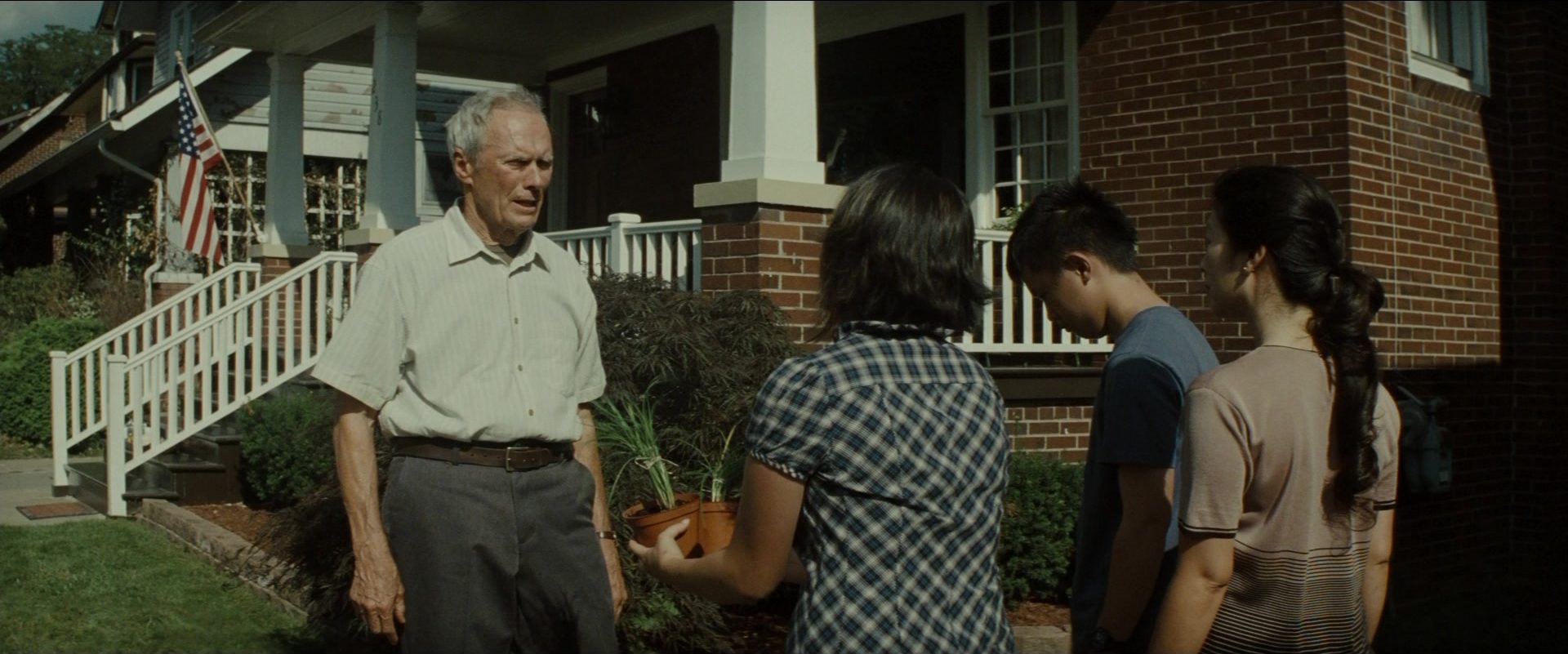
‘Gran Torino’ follows Walt Kowalski, a grizzled, aging Korean War veteran who feels like a final relic of the old American man. When Walt’s wife passes and his family comes in for the funeral, he doesn’t show any sadness, just disdain for their lack of respect and emotional awareness. He finds his sons disappointing and his grandchildren rude and shallow. Walt says exactly what he thinks and doesn’t sugarcoat how he feels. Rather than trying to understand him, his family only focuses on their own comfort, which pushes Walt further into frustration. Living in a neighborhood in Detroit that has changed around him, he feels alienated by what he sees as the decline of everything he once knew. His worldview isn’t always right, but it reflects a certain generational pain that still carries insight. So, when a young Hmong teenager named Thao falls under the influence of his cousin and tries to steal Walt’s prized car, you wouldn’t expect Walt to become his mentor. But that’s exactly what happens. Walt often has a sharp tongue, speaking down to the young priest, other races, and even his own family, but when his Asian neighbors welcome him into their home, something shifts. A light turns on inside Walt. He’s given a new sense of purpose from the most unexpected place. Slowly, he teaches Thao how to become a man, and in doing so, finds meaning in his own life again. Watching Thao learn from Walt and seeing their bond develop is deeply fulfilling, and by the end, the payoff is tearful. I think there’s a real disconnect between younger generations and older men like Walt. Beneath the harsh words and blunt delivery, there is often wisdom and care waiting to be recognized. Walt’s actions speak louder than anything he says. No matter how rough he sounds, he always shows up, and that’s what really defines who he is. Finding a mentor is one of the most valuable things a young man can have, and being a mentor to someone younger is one of the most meaningful things a man can offer. The film’s perspective on passing down masculinity is one I find myself coming back to often.
