

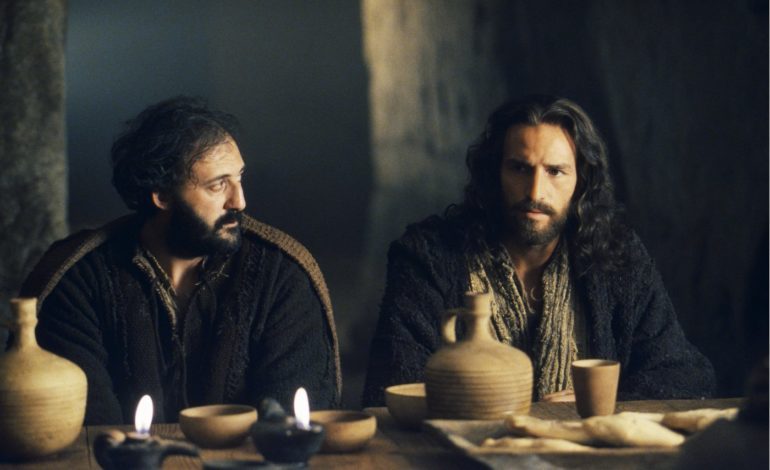
More than two decades after The Passion of the Christ became one of the most controversial and commercially successful religious films ever made, Mel Gibsons is officially moving forward with its long-awaited follow up, The Resurrection of the Christ: Part One. The project has now completed filming in Italy and will be released as a two part epic beginning in 2027.
The sequel continues the story following the crucifixion and resurrection of Jesus Christ, expanding beyond the grounded brutality of the original film into something Gibson himself has described as more spiritual and “otherworldly.” Reports indicated the narrative will explore realms such as Heaven, Hell, and the fall of angels, pushing the story into a larger metaphysical scope
The production was filmed across multiple locations in Italy over 134 shooting days and had become one of the most ambitious biblical projects currently in development. The film are directed and co-written by Gibson alongside writer Randall Wallace, who previously collaborated with him on Braveheart. The sequels is backed by Lionsgate and produced through Gibson’s Icon Productions. Unlike the original film, actor Jim Caviezel will reportedly not return as Jesues, with Finnish actor Jaako Ohtonen stepping into the role instead.
In literary terms, The resurrection of the Christ represents more than a sequel. It reflects Hollywood revisiting spiritual epics at a time when theatrical filmmaking is searching for communal experiences again. The original film earned more than $600 million globally despite controversy and an R rating, providing religious storytelling could operate at blockbuster scale.
The project also arrives during a larger industry shift toward event-style cinema built around recognizable IP and emotionally charged subject matter. For studios, the film, represents both financial potential and cultural risk, especially given Gibson’s controversial public history and divisive reaction surrounding the original movie. Still, the sequel’s scale suggests that faith based filmmaking is no longer being treated as a niche category. Instead, it is being positioned as epic cinema once again. Where spiritually, spectacle, and controversy all exist within the same frame.
